SCME is NUST's School of Chemical and Materials Engineering at the H-12 campus in Islamabad. As of November 2026, NUST lists Chemical Engineering and Metallurgy and Materials Engineering as its undergraduate choices.
This guide explains the school and its facilities. Read the NUST campuses guide for the wider campus map, and the Chemical Engineering degree guide for the subject itself.
SCME at a glance
- Location: H-12, Islamabad.
- Undergraduate choices: Chemical Engineering and Metallurgy and Materials Engineering.
- SCME publishes a laboratory testing portfolio for external users too.
- Applicants for these engineering degrees take NET-Engineering.
Source: NUST undergraduate programme list; SCME lab facilities portfolio and official research profile; checked November 2026
2026 closing merit positions
| Programme | Institute | Code | 2026 closing position |
|---|---|---|---|
| BE Chemical Engineering | SCME | C625 | 4157 |
| BE Metallurgy and Materials Engineering | SCME | C626 | 6148 |
Source: NUST Admissions Directorate, 14th merit selection list, UG 2026. These are ranks within the relevant merit pool, not marks or aggregate percentages. See all NUST closing merit 2026 positions for the full record and guidance on preferences.
What does SCME offer?
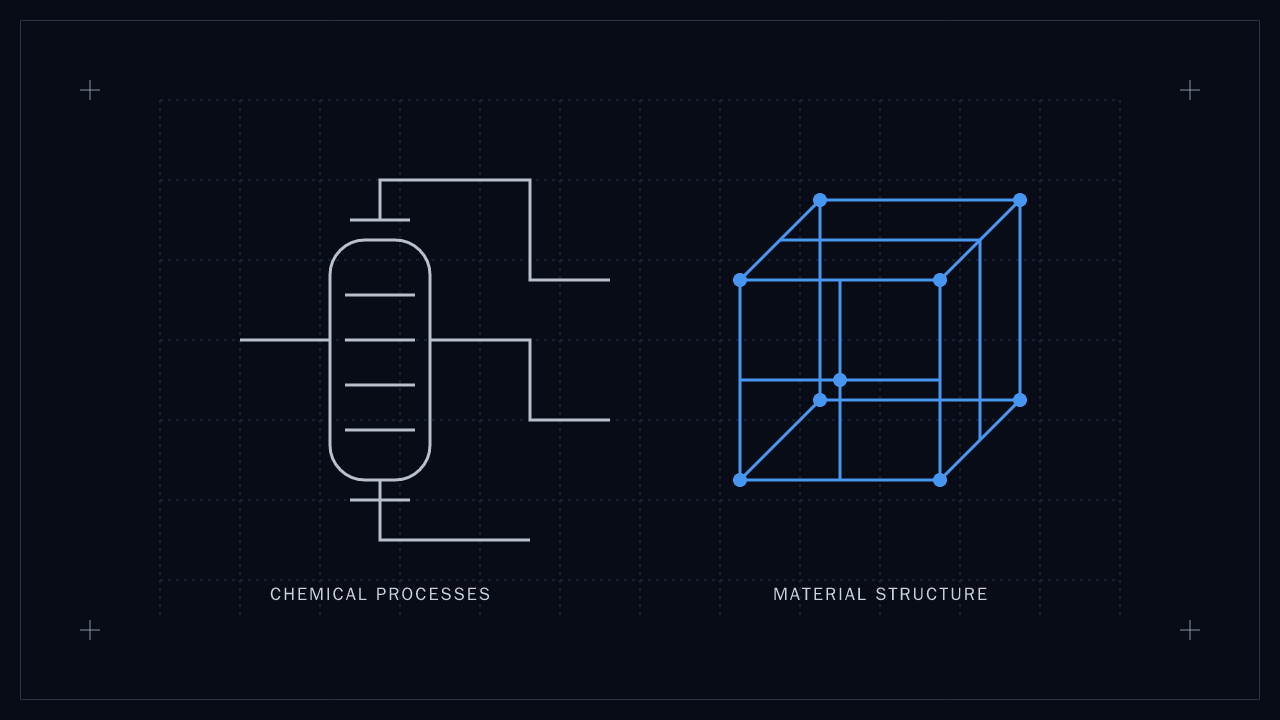
The official undergraduate list assigns both Chemical Engineering and Metallurgy and Materials Engineering to SCME. These are different degree choices within one school.
| Choice | What to read before ranking it |
|---|---|
| Chemical Engineering | The entry-year curriculum and its process engineering courses |
| Metallurgy and Materials Engineering | The entry-year curriculum and its materials-focused courses |
| Postgraduate study | The current MS or PhD admissions list, separate from undergraduate NET choices |
SCME's lab portfolio brochure says the school began its programmes in 2006. It describes undergraduate and postgraduate study across chemical and materials engineering. That is school history, rather than a guarantee that every postgraduate specialisation opens in every admissions cycle.
When comparing the two undergraduate options, keep the question practical: which compulsory subjects do you want to study? A shared building or testing instrument does not make the degrees interchangeable. Do not choose Materials as a supposed automatic route into Chemical Engineering later.
Where is SCME within NUST?
NUST's undergraduate list identifies SCME with Islamabad. The school's official joining instructions place it at H-12. Choosing SCME therefore means planning for that campus, rather than one of NUST's constituent colleges in another city.
Work through accommodation separately. The hostel guide explains what to check before relying on a room. Use the school's current joining instructions for reporting details after selection. An old orientation notice cannot confirm your own batch's arrangements.
A useful campus visit has a short list of questions. Where will your first-year classes take place? Which labs belong to compulsory courses? Who explains laboratory induction and safety requirements? Write down the answers with the name of the degree, because a postgraduate research tour may show facilities outside your undergraduate timetable.
Named labs and testing facilities
The SCME lab facilities portfolio page lists X-ray diffraction, scanning electron microscopy, infrared spectroscopy and chromatography among its characterisation and analysis facilities. Those are named techniques and instruments, rather than separate degree programmes.
For named lab areas, an official Materials Engineering research profile identifies Polymer Processing and Characterization, Surface Engineering and Coating Labs, and Membrane Fabrication and Testing Facilities. As of November 2026, these published names give applicants specific areas to ask about.
| Published facility or technique | What it helps you investigate |
|---|---|
| Polymer Processing and Characterization | How the school studies and processes polymer materials |
| Surface Engineering and Coating Labs | Research involving coatings and material surfaces |
| Membrane Fabrication and Testing Facilities | Work on making and assessing membranes |
| X-ray diffraction and electron microscopy | The school's materials characterisation equipment |
The portfolio also addresses external testing users. A commercial testing service does not mean a first-year student can book every instrument without supervision. Ask the department which courses use each facility and how undergraduate projects obtain access.
How SCME differs from sibling schools
SCME groups chemical and materials degrees. SMME groups mechanical and aerospace choices, while SEECS groups electrical engineering and computing choices. SCEE contains civil, environmental and geoinformatics institutes. Those distinctions come from NUST's programme list, not a ranking of teaching quality.
For a student interested in materials used in machines, compare SCME's Materials curriculum with SMME's Mechanical curriculum. For a student interested in treatment processes, compare the relevant Chemical and Environmental curricula. Similar project topics can appear in different disciplines, so start with the compulsory courses rather than one research headline.
Read the Mechanical Engineering guide and Civil Engineering guide when those are real alternatives. Keep this school comparison separate from claims about salaries or placement rates. The sources here do not establish a school-wide employment guarantee.
Which NET paper does SCME require?
Both undergraduate engineering choices use NET-Engineering. Its subject weights are Mathematics 50%, Physics 30% and English 20%. Chemistry is not a section in this paper, despite the word Chemical in the school's name.
The test has 200 MCQs over 180 minutes and no negative marking. Check your academic eligibility separately through the eligibility guide. Choosing the right paper does not settle whether your school subjects meet a programme's requirements.
How to prepare for SCME's NET paper on SailToNUST
Begin with the current syllabus, then attempt a full paper. Allocate study time to the tested subjects. Do not let extra Chemistry revision replace Mathematics or Physics practice for NET-Engineering.
Use the review to identify a chapter and an error type. Repair a missing method through chapter practice, then test it again under time pressure. Use the CBNET simulator to rehearse saving answers before moving on.