SEECS is NUST's School of Electrical Engineering and Computer Science at the H-12 campus in Islamabad. As of November 2026, NUST lists electrical, computer and software engineering alongside BS Computer Science, Data Science and Artificial Intelligence at SEECS.
Start with the NUST campuses guide if you are still matching abbreviations to cities. SEECS is one school within NUST, and a preference for SEECS must still name the degree you want.
SEECS at a glance
- Campus: H-12, Islamabad.
- Undergraduate choices include engineering and computing degrees.
- NET-Engineering covers these engineering and computing choices.
- School names do not replace programme-specific eligibility checks.
Source: NUST undergraduate programme list; SEECS lab facilities and campus map; checked November 2026
2026 closing merit positions
| Programme | Institute | Code | 2026 closing position |
|---|---|---|---|
| BE Electrical Engineering | SEECS | S603 | 1199 |
| BE Software Engineering | SEECS | S605 | 829 |
| BE Computer Engineering | SEECS | S608 | 850 |
| BS Computer Science | SEECS | S642 | 708 |
| BS Artificial Intelligence | SEECS | S680 | 429 |
| BS Data Science | SEECS | S673 | 843 |
Source: NUST Admissions Directorate, 14th merit selection list, UG 2026. These are ranks within the relevant merit pool, not marks or aggregate percentages. See all NUST closing merit 2026 positions for the full record and guidance on preferences.
Which programmes does SEECS offer?
The official NUST undergraduate list names these options as of November 2026. Use that list alongside the application portal when you submit preferences.
| Programme | What to compare before choosing |
|---|---|
| Electrical Engineering | Circuits, electronics, signals and the published specialisation options |
| Computer Engineering | The balance between hardware, embedded systems and software |
| Software Engineering | Software design, development and the programme's engineering requirements |
| BS Computer Science | Core computing courses and the available electives |
| BS Data Science | Mathematics, statistics and data-focused courses |
| BS Artificial Intelligence | Computing foundations and AI-specific courses |
These are separate application choices. Do not write "SEECS" at the top of your personal shortlist and leave the degree undecided. Read the curriculum for your entry year, then compare the compulsory courses. An attractive elective title says little about the work you must complete first.
For a degree-level discussion, read the CS admission guide or Electrical Engineering guide. This page focuses on where those choices sit within NUST.
Campus facts to check before joining
SEECS's official campus map places the school in Sector H-12, Islamabad. Use a current joining notice for reporting arrangements. A route map from an earlier intake cannot confirm your reporting time.
Keep the school, city and living plan together when ranking programmes. Read the hostel guide before assuming an admission offer settles accommodation. If you plan to commute, check the route to the school building rather than stopping your estimate at the campus gate.
Labs named by SEECS
The SEECS lab facilities page lists teaching and research facilities separately. As of November 2026, its teaching list includes the DSP/Communications Lab, Microwave and Antenna Lab, Basic Electronics Lab and Control Systems/Instrument and Measurement Lab.
The research list names the Electronic System Design Automation Centre, System Analysis and Verification Lab, Information Processing and Transmission Lab, Robotics and Machine Intelligence Lab and Blockchain Lab. These names help you investigate research interests. They do not establish that every undergraduate can join every project.
Ask a concrete question when contacting the school: which compulsory courses use the relevant teaching lab, and how can undergraduates apply for supervised research? A research lab's existence does not replace checking the curriculum of your chosen degree.
How does SEECS compare with sibling schools?
NUST's programme list places Electrical Engineering at SEECS, CoEME, MCS and PNEC. It lists Software Engineering at SEECS and MCS, and Computer Engineering at SEECS and CoEME. BS Computer Science also appears at NBC and PNEC.
That means two decisions can overlap: degree and campus. Compare the same degree across schools first. Then compare different degrees within SEECS. Otherwise you may accept a subject you do not want because you prefer Islamabad.
CoEME and MCS are in Rawalpindi, PNEC is in Karachi, and NBC is in Quetta. The campus guide explains those locations. Use each school's own curriculum and joining information for the next comparison, rather than assigning a university-wide reputation to every department.
Which NET paper do SEECS applicants take?
NET-Engineering covers engineering and computing programmes. Its weights are Mathematics 50%, Physics 30% and English 20%, as recorded in our NET pattern guide. Do not drop Physics because you want Computer Science or AI.
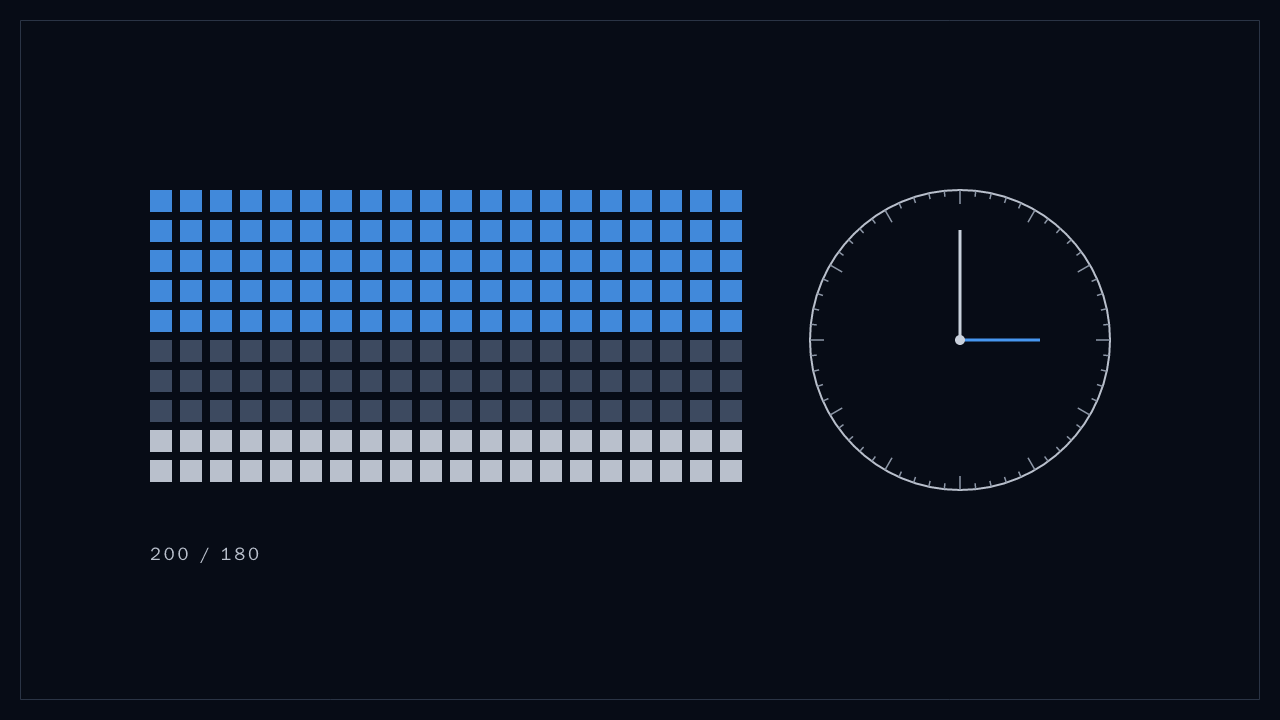
The test has 200 MCQs and lasts 180 minutes. There is no negative marking. Programme eligibility remains a separate check, particularly if your school subjects differ from the usual pre-engineering route. Read the eligibility guide before registering.
How to prepare for SEECS's NET paper on SailToNUST
Open the syllabus, then attempt a full-length paper to identify your weak chapters. Give Mathematics the largest share of your study time, while using your actual errors to decide which topics need another session.
After each paper, record whether you lost marks through a concept gap, calculation, wording or time. Repair the relevant chapters before taking another mock. Use the CBNET simulator to practise saving answers and moving through questions under one clock.