Yes. SailToNUST MCQs are taken from sources that have helped students get really good NET scores, and every full paper follows the real NET split of 200 questions in 180 minutes. It costs nothing, so the only thing you spend on it is time, and the rest of this post is about spending that time well.
SailToNUST publishes this post, so read it as our case for the site. We also say plainly where the site will not be enough on its own.
What you get
| What | Details |
|---|---|
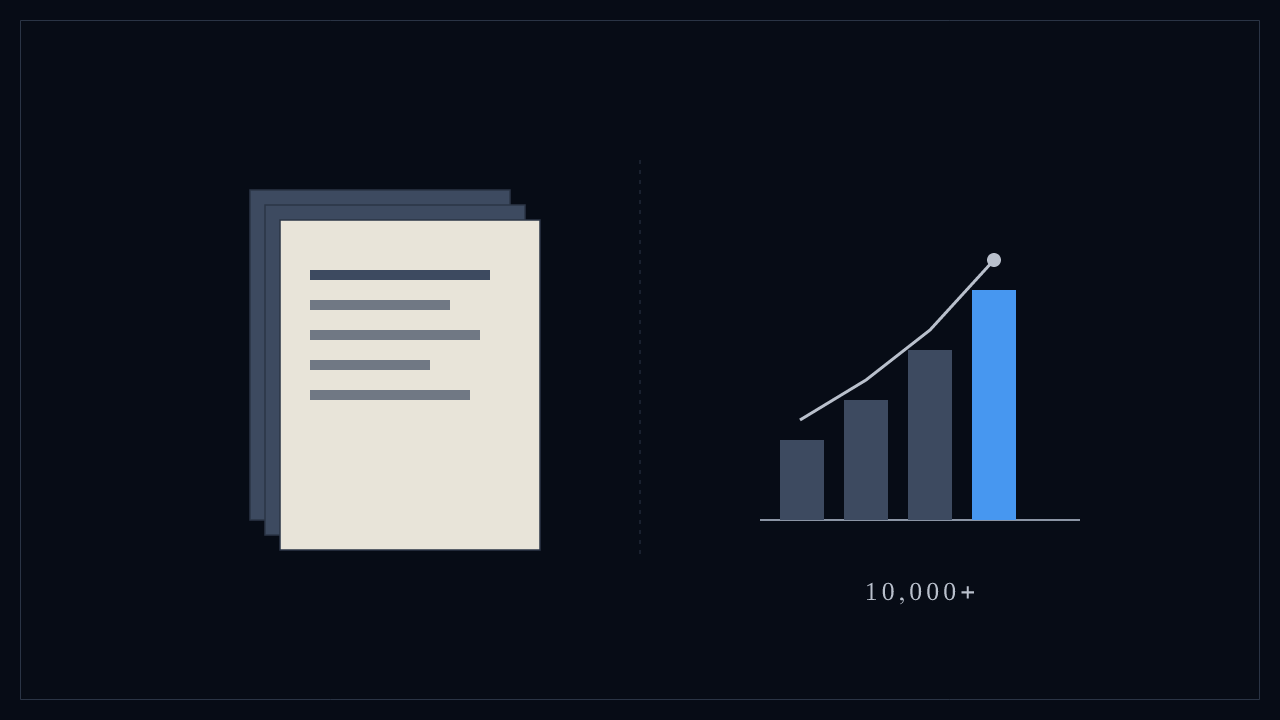
| Chapter MCQs | More than 10,000, sorted into the chapters NET tests |
| Full-length papers | 32 papers: 20 Engineering, 7 Applied Sciences, 3 Natural Sciences, 2 Business |
| Past MCQs | Over 3,600 questions students recalled after sitting NET |
| Exam interface | A CBNET simulator that behaves like the computer-based test |
| Answers and working | Shown after every question, in chapter practice and in paper review |
| Cost | Free, no ads, no sign-up |
Why the questions are worth your time
They come from proven material. Every MCQ on the site comes from established NET preparation material and from student recall of real papers. Students before you practised the same kind of questions and went on to score well. There are zero AI-generated questions in the bank. The post on whether SailToNUST MCQs are AI-generated explains how we keep it that way.
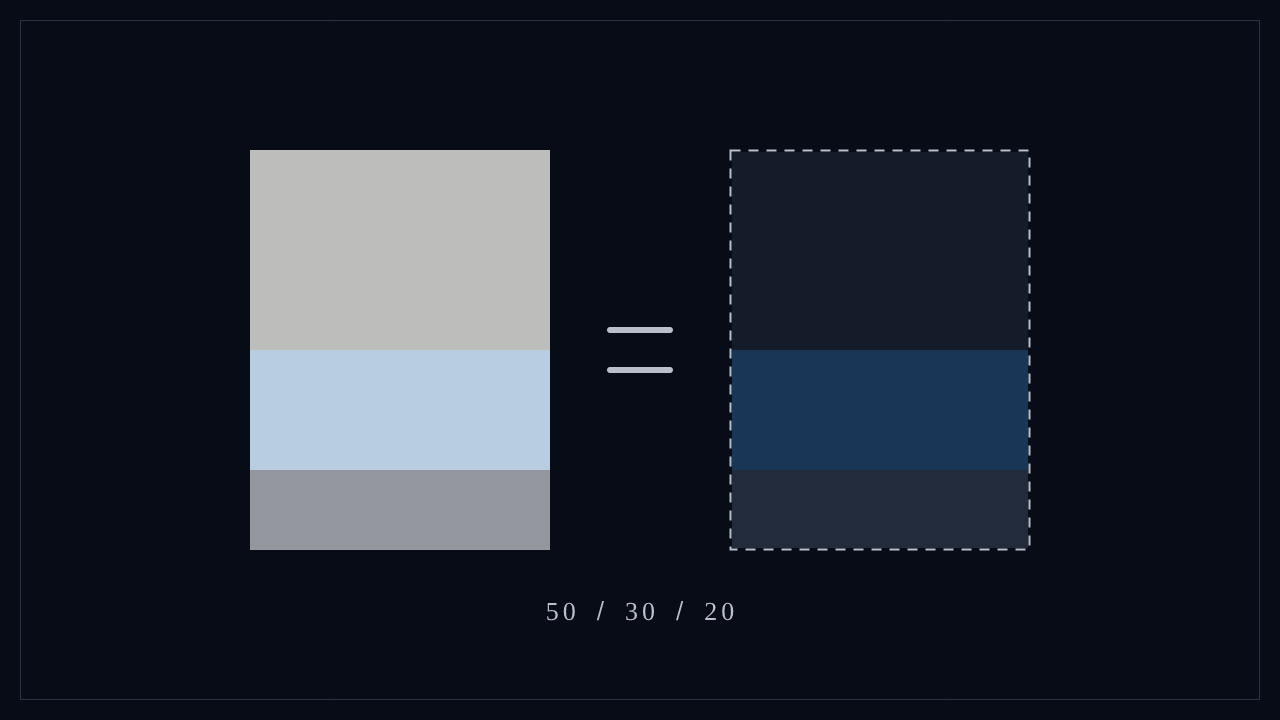
The papers follow NUST's split. An Engineering paper has 100 Mathematics, 60 Physics and 40 English questions, which is the 50/30/20 split NUST publishes. The English section mixes synonyms, antonyms, analogies and sentence completion, the same question types NET English uses. The post on how close SailToNUST papers are to the real NET goes through the match section by section.
The keys are checked. A wrong key teaches you a wrong method. We check answer keys before a question goes live, and we fixed or removed every question that failed the check. How SailToNUST checks answer keys has the numbers.
Where it is not enough on its own
We would rather you know this before you plan around the site.
- There is no teacher. If an explanation does not make sense to you, nobody on the site will explain it a second way. Ask a teacher, a friend or check the textbook.
- There is no timetable. Nobody will chase you to sit a paper on Sunday. You have to set the routine yourself, and the 6-month plan is a good place to start.
- The Engineering track has the most papers. Applied Sciences, Business and Natural Sciences have fewer, so students on those tracks will run out sooner.
- No practice paper predicts your NET score. Different papers have different difficulty, and so does each NET series.
If you need any of these, a paid academy or course may add something. Our post on paying for NET mock tests helps you decide.
How to get the most out of it
- Sit one full paper as a baseline. Use the timer and do it in one go. A paper split over three evenings tells you nothing about pacing.
- Review every wrong answer and every guess. Sort each mistake into a concept gap, a calculation slip or a misread.
- Fix the chapters behind the mistakes. Go to the practice bank and drill those chapters until the same mistake stops showing up.
- Sit the next paper only after that. A fresh paper tests whether the fixes worked.
- Rehearse the interface once or twice. Use the simulator so the CBNET screen does not cost you time on the day.
Most students who stall around a fixed score are skipping step 3. They sit paper after paper and wonder why the number does not move.
Key facts
- SailToNUST MCQs come from sources that have helped students score well in NET. None are AI-generated.
- Engineering papers follow NUST's 50/30/20 split: 100 Mathematics, 60 Physics, 40 English.
- The site has 32 full-length papers, more than 10,000 chapter MCQs and over 3,600 past MCQs.
- Everything is free, with no ads and no account.
Source: SailToNUST question bank and paper list; NUST published NET composition; checked November 2026