Very close on structure. Every SailToNUST full-length paper has 200 questions, a 180-minute clock and the subject split NUST publishes for that track, and every question comes from real NET preparation material rather than AI. What no practice paper can copy is the exact difficulty of your NET series, because NUST changes it from one series to the next.
SailToNUST publishes this post about its own papers. Below is the match, section by section, and the places where a practice paper and the real test differ.
The structure
| Real NET | SailToNUST full paper | |
|---|---|---|
| Questions | 200 | 200 |
| Time | 180 minutes, one clock | 180 minutes, one clock |
| Negative marking | None | None |
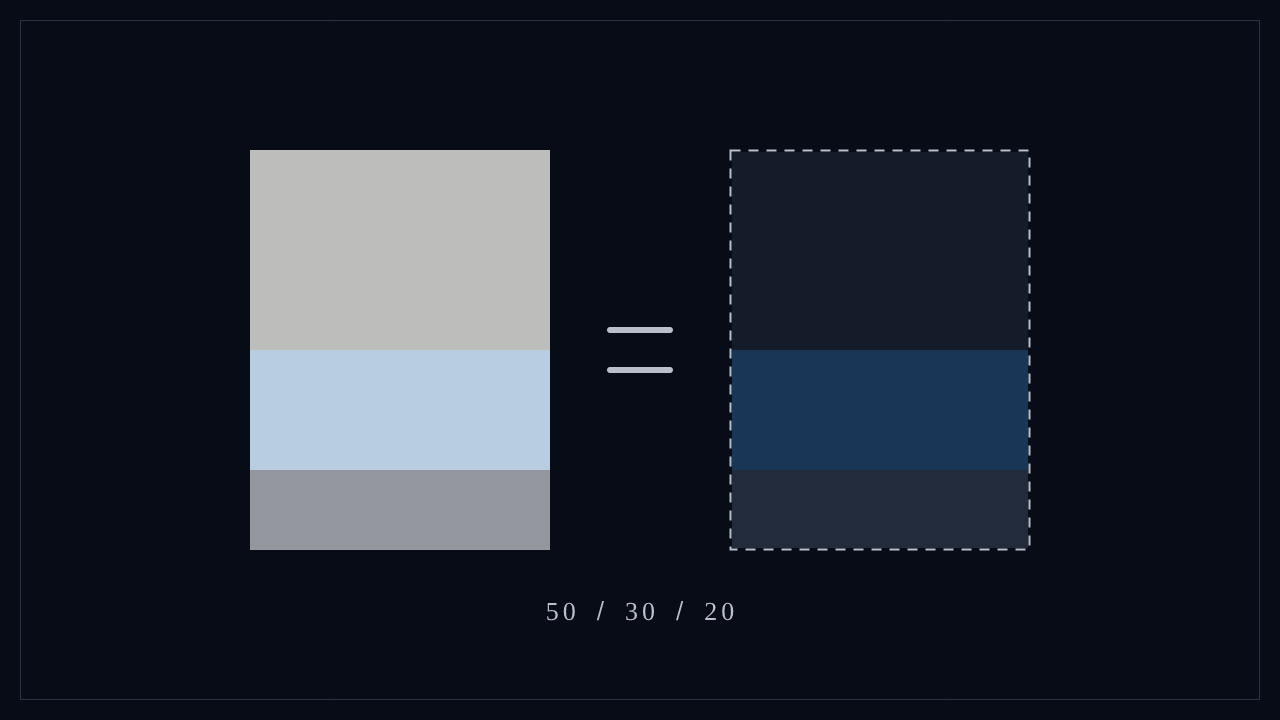
| Engineering split | Mathematics 50%, Physics 30%, English 20% | 100 Mathematics, 60 Physics, 40 English |
| Applied Sciences split | Biology 50%, Chemistry 30%, English 20% | 100 Biology, 60 Chemistry, 40 English |
| Business split | Quantitative Mathematics 50%, English 50% | 100 Quantitative Mathematics, 100 English |
NUST publishes percentages, not question counts. The counts above come from applying those percentages to 200 questions, and the syllabus page lists the official composition for every track.
At 180 minutes for 200 questions, you have 54 seconds a question on average. That is the number to train against.
The questions inside
Mathematics and Physics. Each paper spreads its questions across the chapters NET tests, so a paper does not lean on one favourite topic. When we replace a question, the new one comes from the same chapter, so the chapter balance holds.
English. NET English is mostly vocabulary and usage. An Engineering paper on SailToNUST has 40 English questions across synonyms, antonyms, analogies and sentence completion, the same types students report from the real test. The vocabulary chapter is the place to drill them between papers.
No AI-written questions. Every question in every paper comes from real NET preparation material or from student recall. The post on whether SailToNUST MCQs are AI-generated explains why that matters for practice.
Keys checked before the paper goes live. A full paper with a wrong key gives you a wrong score and a wrong lesson. Our papers go through an answer-key check, and how SailToNUST checks answer keys explains the method.
The exam screen
CBNET has habits that cost students marks the first time they meet them. You must press Save on every answer, you cannot flag a blank question, and there is no grid to jump around the paper. The SailToNUST simulator reproduces that screen so none of it surprises you on test day. Sit at least one rehearsal there before your NET.
Where a practice paper differs from NET
- Difficulty moves between series. NUST does not publish its papers, and students report easier and harder sittings in the same year. Treat a practice score as a measure of your progress, not a forecast.
- Questions are not repeats. A past MCQ shows you the style NUST uses. It does not mean the same question will come again. The post on whether NET past papers are real covers this.
- The room is different. Practising at home, with tea and no invigilator, feels easier than a test centre. Sit at least two papers in one go, at the time of day your NET is scheduled.
How to use the papers
Sit one paper as a baseline under the full 180-minute clock. Review every wrong answer and every guess, then drill the chapters behind them in the practice bank before you sit the next paper. Our guide on how many mock tests to sit before NET helps you space them out.
Key facts
- NET has 200 MCQs, 180 minutes and no negative marking.
- SailToNUST papers apply NUST's published split to 200 questions for each track.
- Engineering papers carry 40 English questions across synonyms, antonyms, analogies and sentence completion.
- Every question comes from real NET preparation material or student recall. None are AI-generated.
Source: NUST published NET composition and test format; SailToNUST paper data; checked November 2026