You can sit NET in more than one series, and NUST uses your best score for merit, so a lower second score does not hurt you. Each attempt needs its own form and Rs. 5,000 fee. So the work is in the six or seven weeks between series, and this guide covers how to spend them.
Key facts
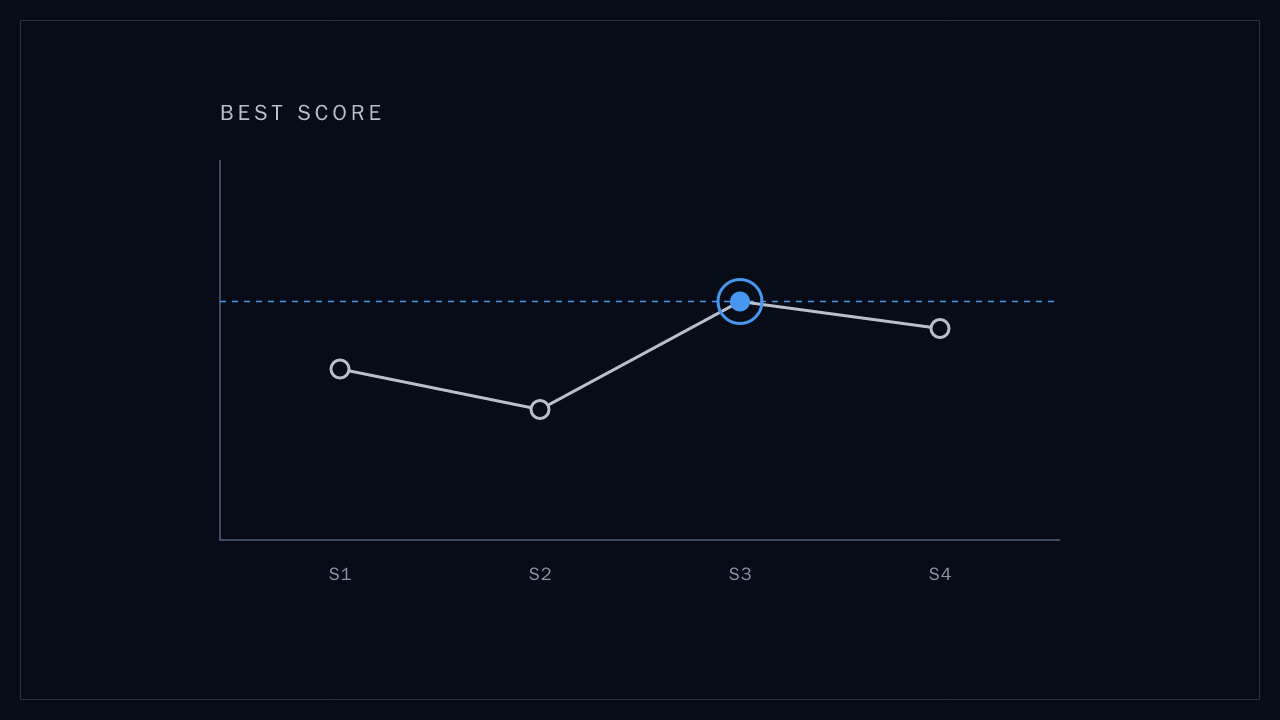
- "Candidates can appear more than once to improve their score. Best score will be picked by the system for merit generation."
- Each series needs a separate online registration form
- The fee is Rs. 5,000 per exam, non-refundable, and valid only for the series it was paid for
- CBNET results are uploaded within 24 hours, PBNET results within 5 to 7 working days
- NUST generates merit lists tentatively by the last week of July
Source: NUST procedure, dates to remember and fee pages, checked October 2026
How the best-score rule works
NUST's admission procedure page says you can appear more than once, and the system picks your best score for merit. If you score 150 in Series-1 and 138 in Series-2, merit uses 150. If you score 162 in Series-3, merit uses 162.
Two things follow:
- A retake has no downside on merit. The only costs are the fee, the travel and the study days.
- The best score is one attempt's score. NUST's wording is "best score", and nothing on its pages suggests it combines your best Mathematics from one attempt with your best English from another. Plan to beat your old total in one sitting.
The merit criteria page adds a wrinkle for a few programmes. For BS Bioinformatics, BS Food Science and Technology and BS Chemistry, NUST takes the "best score even if appeared in both NETs", meaning NET-Engineering and NET-Applied Sciences. If you are torn between those papers, the paper guide covers which one fits your programmes.
How long the gap is
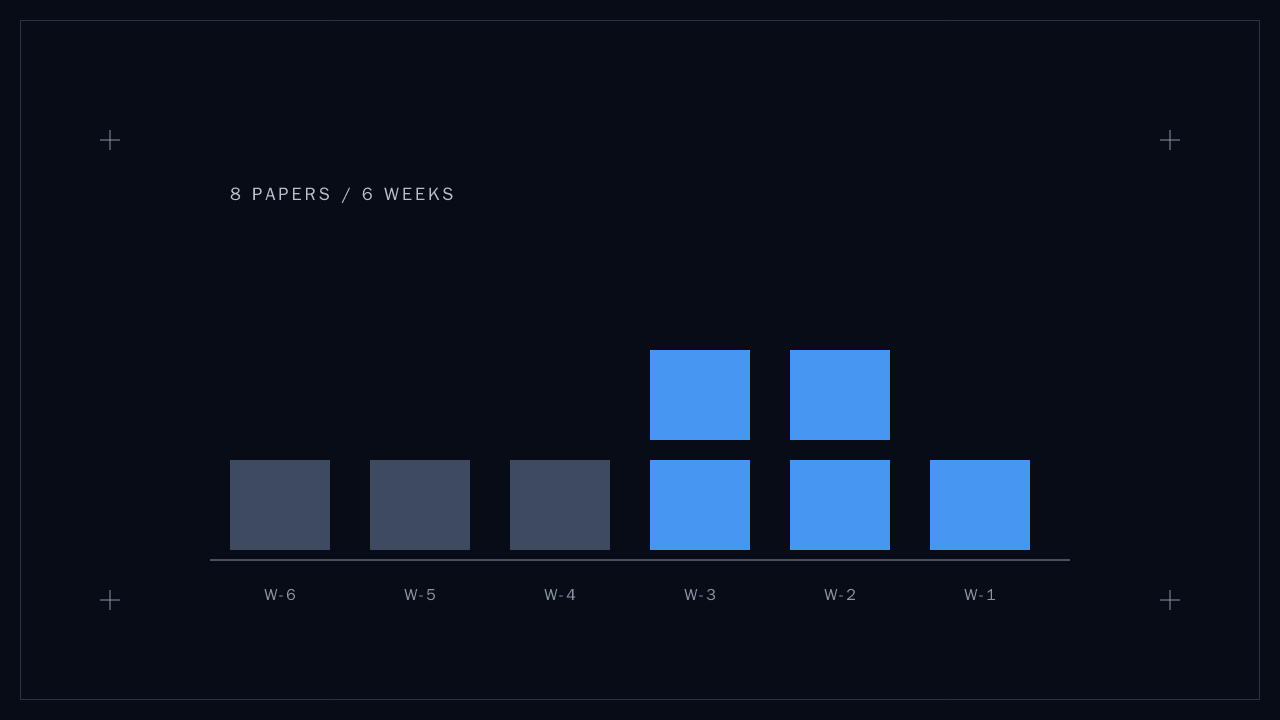
In the NET-2026 cycle, the gap between one series' Islamabad CBNET window closing and the next one opening was six to seven weeks:
| From | To | Gap |
|---|---|---|
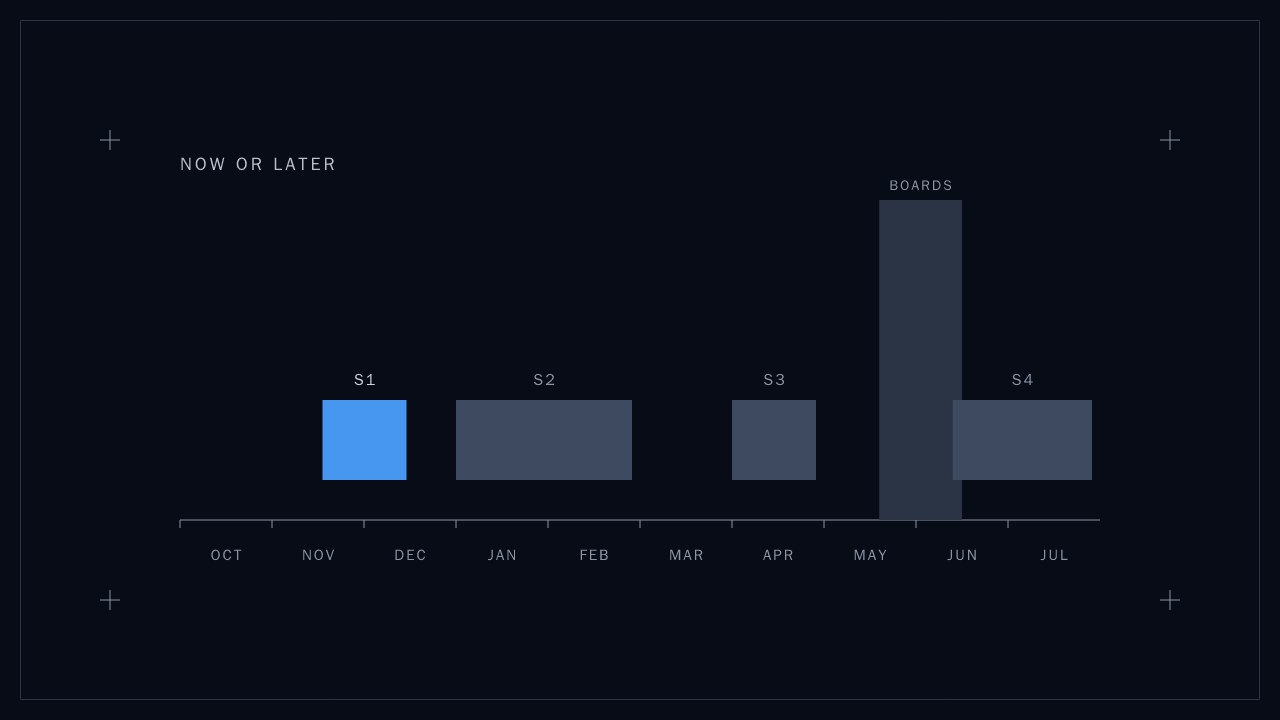
| Series-1 ended 10 Dec 2025 | Series-2 started 31 Jan 2026 | about 7 weeks |
| Series-2 (Isb) ended 15 Feb 2026 | Series-3 started 4 Apr 2026 | about 7 weeks |
| Series-3 ended 2 May 2026 | Series-4 started 13 Jun 2026 | 6 weeks |
Your own gap depends on the dates you pick. CBNET candidates choose a test date and session from the available options, so an early slot in one series and a late slot in the next can stretch the gap past ten weeks. For NET-2027, NUST lists Series-1 CBNET from 17 Nov 2026 and Series-2 in Jan to Feb 2027 in Islamabad. Both are tentative. Check NET dates for the current schedule.
Registration windows overlap the test windows. In NET-2026, Series-4 registration opened on 26 April, while Series-3 was still being tested. Register for the next series as soon as you decide to retake. Do not wait for a perfect moment.
Week 1: work out what went wrong
NUST's FAQ says you can view your result details through the result link on its website. PBNET candidates can also request re-checking within 5 days for Rs. 500, but re-checking only verifies unmarked answers and the totalling. Neither tells you why you lost marks.
Your memory does, if you use it fast. Rebuild the paper the same evening. Write down:
- Which section you ran out of time in, and roughly at what question.
- Which chapters produced questions you did not recognise.
- How many questions you guessed, roughly.
- Any interface trouble: unsaved answers, time lost scrolling back with Prev.
Then sit a full paper at home within the week and compare. If both show the same weak chapters, you have your plan.
Weeks 2 to 5: fix the biggest losses
Sort what you found into three causes. Each needs a different fix.
| Cause | Sign | Fix |
|---|---|---|
| Content | You did not know how to start | Re-learn the chapter from the textbook, then 50 MCQs |
| Speed | You knew how, but ran out of time | Timed sets of 20 at 50 seconds a question |
| Process | Unsaved answers, blanks, panic | Two or more papers on the simulator |
Spend most of the hours on content gaps in Mathematics. On the derived counts it has about 100 questions, so a weak Integration or Conic Section costs more than a weak Physics chapter. Keep one full paper a week running throughout.
Weeks 6 and 7: full papers and rest
Two full-length papers a week, each reviewed the next morning. No new chapters in the last ten days. The final week follows the same pattern as any test: see the last week before NET.
Should you retake at all
Put your current score into the aggregate calculator with your matric and FSc marks. Then compare the result with the closing merit NUST publishes for the programmes you want. NUST's procedure page says it publishes the previous session's closing merit for guidance.
Retake if your aggregate is close to or below the closing merit of your first choices, and you have a fixable cause from week 1. Think twice if the next series lands on your board exams. Your FSc result decides whether you are eligible at all, and NUST says candidates in the 2nd annual exams are not eligible for the current session.
How many series you can sit in one cycle is covered in how many times you can take NET.
FAQ
Does NUST take the best NET score or the latest?
The best. NUST's procedure page says candidates can appear more than once and the system picks the best score for merit generation.
Will a lower second NET score affect my merit?
No. Merit uses your best score, so a lower later attempt is ignored.
Do I have to pay again to retake NET?
Yes. Each series needs a separate registration form, and the Rs. 5,000 fee is valid only for the series it was paid for.
How much time is there between NET series?
In the NET-2026 cycle, about six to seven weeks between one series' Islamabad window ending and the next one starting. Your own gap depends on the test dates you choose.