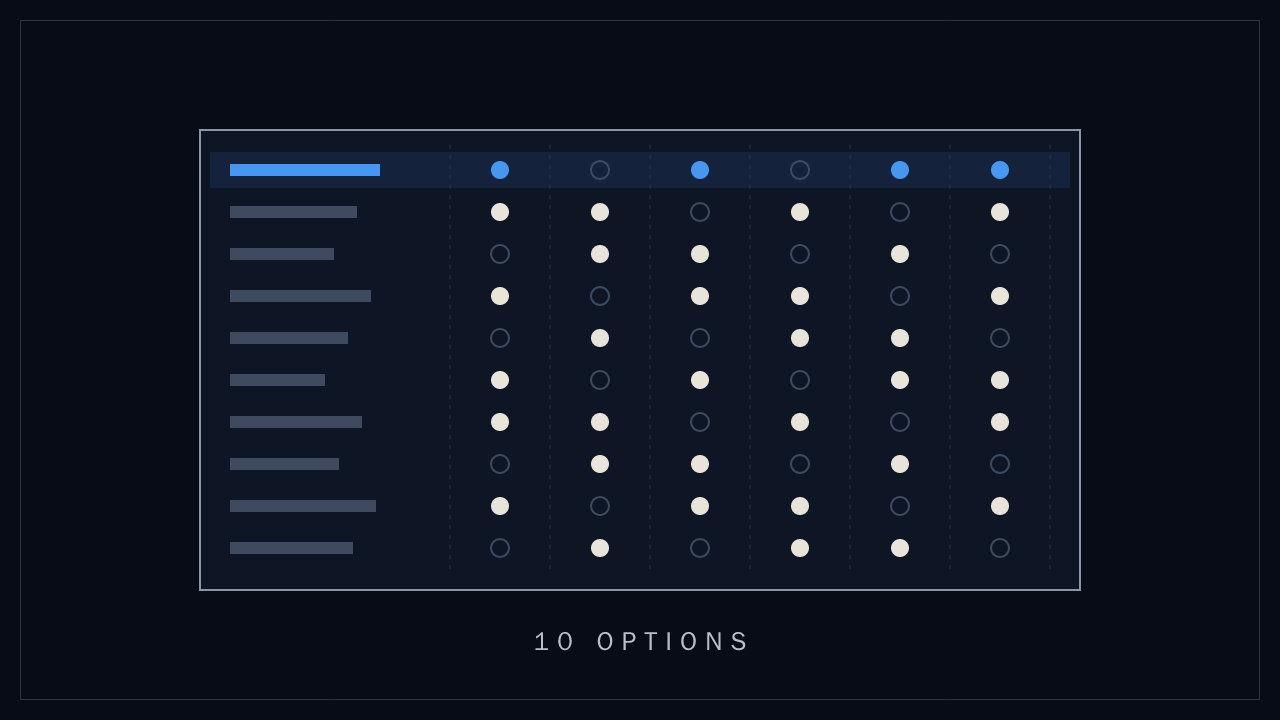
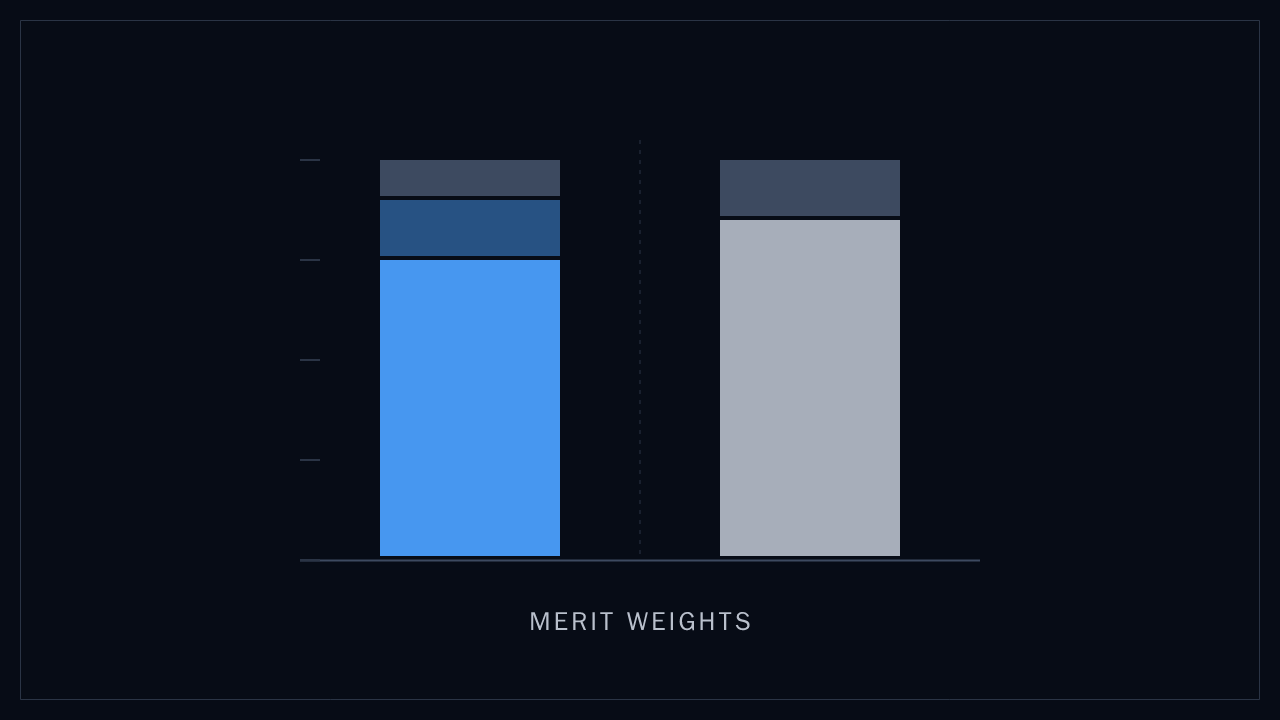
NUST ranks engineering applicants 75% on NET, which you can sit in up to four series a year. GIKI ranks them 85% on its own admission test, held in one July window, plus 15% on matric. Your FSc marks count at NUST. At GIKI they don't.
Most students only notice that line after they apply. Everything below comes from the two universities' own admission pages.
Key facts
- NUST merit: NET 75%, HSSC 15%, SSC 10%
- GIKI merit: admission test 85%, SSC or equivalent 15%
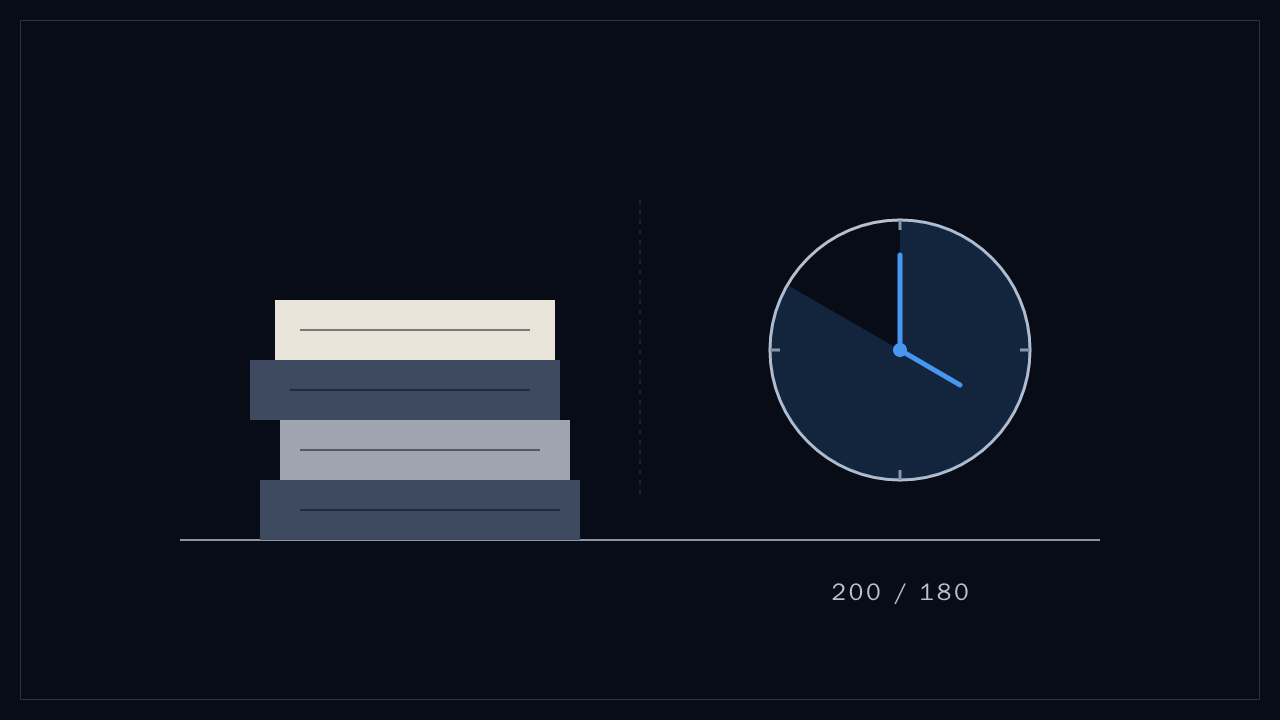
- NET: 200 MCQs in 180 minutes, no negative marking
- NET runs in four series a year and your best score counts
- GIKI 2026 test window: 6 to 10 July 2026
- GIKI processing fee: Rs 3,500 for one test, Rs 5,000 for both
Source: NUST merit criteria, salient features and dates pages; GIKI undergraduate admissions, eligibility and how-to-apply pages; checked October 2026
The two tests side by side
| NUST (NET-Engineering) | GIKI engineering and computing test | |
|---|---|---|
| Subjects | Mathematics 50%, Physics 30%, English 20% | Physics, Mathematics and English at intermediate level |
| Length | 200 MCQs, 180 minutes | Not stated on GIKI's current pages |
| Negative marking | None | Part A of GIKI's 2013 sample paper: +3 right, -1 wrong |
| Attempts per cycle | Up to four series, best score counts | One test window per year |
| Mode | Computer-based in Islamabad and Quetta, paper-based in Karachi and Gilgit | Online, at a test centre you choose |
| Processing fee | Rs 5,000 per series | Rs 3,500, or Rs 5,000 for both GIKI tests |
GIKI's "both tests" means its engineering and computing test plus GCAT, the separate test for BS Management Sciences.
Negative marking is the row people ask about most. The only GIKI paper that states a marking scheme is the 2013 sample paper, which GIKI still links from its syllabus page. Its Part A had 60 MCQs on Physics and Mathematics for about 90 minutes, at +3 per right answer and -1 per wrong one. Part B was 20 English questions in about 30 minutes with no penalty. GIKI's current pages give neither the length nor the marking, so read your admit card before test day. On NET you lose nothing for a wrong answer, so you answer every question. Our negative marking post explains why.
How each merit formula works
NUST  = NET% x 0.75 + HSSC% x 0.15 + SSC% x 0.10
GIKI  = test% x 0.85 + SSC% x 0.15
At GIKI the 15% goes to SSC for FSc students. O-Level candidates use O-Level equivalence. Candidates with an American or Canadian high school diploma, an IB diploma, a B.Sc. or a DAE use their last completed qualification.
Take a student with 900/1100 in matric (81.8%), 450/550 in FSc Part-1 (81.8%) and 65% on each test:
NUST  = 65 x 0.75 + 81.8 x 0.15 + 81.8 x 0.10 = 48.75 + 12.27 + 8.18 = 69.20
GIKI  = 65 x 0.85 + 81.8 x 0.15             = 55.25 + 12.27        = 67.52
You cannot compare those two totals with each other. Each university ranks you against its own applicants. What you can compare is what each mark is worth:
- One percentage point on the test is worth 0.75 aggregate points at NUST and 0.85 at GIKI.
- Your FSc result is worth up to 15 points at NUST and nothing at GIKI.
- Matric is worth 10 points at NUST and 15 at GIKI.
So a student with a strong matric and a weak FSc Part-1 loses less at GIKI. A student whose FSc is the strongest thing on the form gets credit for it only at NUST. Run your own numbers on the aggregate calculator, and read the NET merit formula post for the 550 versus 1100 detail.
Who can apply
Both ask for 60%, but they measure it differently.
NUST wants at least 60% in SSC and in HSSC. Pre-Engineering, ICS and Pre-Medical students can all sit NET-Engineering. Pre-Medical students without additional Mathematics have conditions. For engineering they must clear NUST's 8-week condensed Mathematics course before admission.
GIKI wants 60% or more in each of Mathematics, Physics and overall, not only overall. For engineering that means HSSC Pre-Engineering, ICS, or Pre-Medical with additional Mathematics. For AI, CS, Cyber Security, Data Science and Software Engineering, GIKI accepts HSSC with Mathematics, Physics and any third elective. GIKI's FAQ is blunt about Pre-Medical: without additional Mathematics you can apply only to BS Management Sciences.
If you are Pre-Medical and never took additional maths, NUST is the one with a route into computing and engineering. If your Physics mark in FSc is under 60% while your overall is above it, check GIKI's rule before you pay the fee.
Timing: one window against four series
GIKI's 2026 cycle ran like this: applications 15 March to 15 June, test 6 to 10 July, merit list 21 July, classes from 31 August.
NUST's NET-2026 ran four series between November 2025 and July 2026, and Series-4 started on 13 June 2026 in Islamabad. NUST's tentative NET-2027 schedule opens Series-1 registration from 4 October to 14 November 2026, with computer-based tests from 17 November 2026. The NET 2027 dates post has the full table.
Two things follow from this:
- You get one GIKI attempt per year. A bad day costs the whole cycle.
- GIKI's July test sits right after NET Series-4. If you still need a NET score in June, your GIKI preparation and your last NET attempt compete for the same weeks. Sit NET in an earlier series and that clash goes away. The one-plan post lays out the full calendar.
Programmes and place
GIKI's admission test covers Engineering plus AI, CS, Cyber Security, Data Science and Software Engineering. BS Management Sciences uses GCAT. GIKI's departments include Electrical, Mechanical, Civil, Materials Science and Chemical Engineering, Computer Sciences and Engineering, and Management Sciences. GIKI is a single residential campus at Topi in District Swabi, which its FAQ puts about 1.5 hours' drive from Islamabad. Its girls' hostel holds 120 students.
NUST uses five NET papers. Its programmes also cover applied sciences, business, social sciences and architecture, and its schools are spread across several cities. If you are unsure of your field, NUST leaves more doors open. The campuses post lists where each school is.
What the published fees say
NUST's 2026-27 fee for engineering and computing is Rs 216,750 tuition per semester. Add Rs 5,000 miscellaneous per semester, plus a one-time Rs 35,000 admission processing fee and a Rs 10,000 refundable security deposit. Hostel is extra.
GIKI's 2025-26 freshman fee for engineering and computing is Rs 470,000 per semester, and that figure includes accommodation. Add a Rs 75,000 admission fee and a Rs 40,000 refundable security deposit.
The figures cover different years, and one includes housing while the other does not. Don't subtract one from the other. Price your own case, with hostel and travel, from each university's fee page.
So which should you aim for?
It depends on four things you can check today:
- Your FSc marks. Strong FSc helps you only at NUST. Weak FSc hurts you only at NUST.
- Your subjects. Pre-Medical without additional maths rules out GIKI engineering and computing.
- How you handle one shot. NET gives you up to four. GIKI gives you one.
- Negative marking. If GIKI still penalises wrong answers, you need a guessing rule. NET doesn't need one.
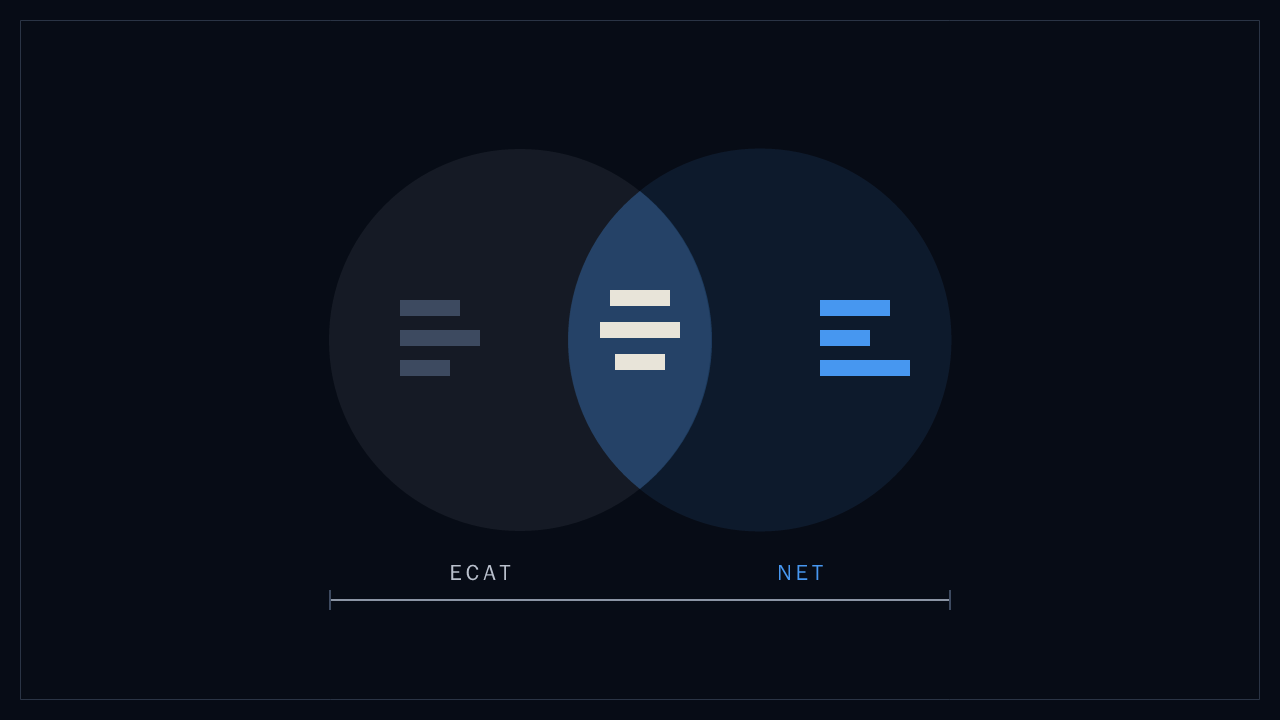
The syllabus overlaps almost entirely, since both test FSc Physics, Mathematics and English. Prepare once and sit both.
FAQ
Is the GIKI test harder than NET?
Neither university publishes average scores on the pages we checked, so there is no fair way to measure it. NET is longer at 200 MCQs. GIKI's 2013 sample paper used negative marking, which NET does not.
Does GIKI count FSc marks in merit?
No. For FSc students, GIKI's merit is 85% admission test and 15% SSC. Your HSSC marks only need to meet the 60% eligibility rule.
Can I apply to both NUST and GIKI in the same year?
Yes. They are separate applications with separate fees. In the 2026 cycle the GIKI test ran 6 to 10 July, after NET Series-4 had started.
Can pre-medical students apply to GIKI for computer science?
Only with additional Mathematics. Without it, GIKI's FAQ limits Pre-Medical students to BS Management Sciences.
How many times can I take the GIKI test?
GIKI publishes one admission test window per year. NUST lets you sit NET once per series, up to four series, and counts your best score.