Most marks lost in NET are not lost to hard questions. They go to answers selected but never saved in CBNET, to blanks on a test with no negative marking, and to months of study split evenly across subjects that NUST weights 50, 30 and 20. The list below starts with the mistakes that cost the most.
Key facts
- NET-Engineering: Mathematics 50%, Physics 30%, English 20%
- No negative marking
- If you miss your test session, NUST's policy is no second chance, apart from extreme emergencies handled case by case
- Bring your admit card and an original photo ID document: CNIC, passport, Family Registration Certificate, or matric or FSc certificate with photograph
- NUST picks your best score across series
Source: NUST procedure, FAQ and weightings pages, checked October 2026
Prep mistakes
Giving every subject the same hours. NET-Engineering is half Mathematics. If you study Mathematics, Physics and English for two hours each, you are spending a third of your time on a subject worth half the paper, and another third on one worth a fifth. Split hours by the weightings.
Never sitting a full three-hour paper. Chapter quizzes of 20 questions do not train you for minute 140, when your reading slows and you start re-reading questions. Sit full papers from at least two months out, in one sitting, with no phone.
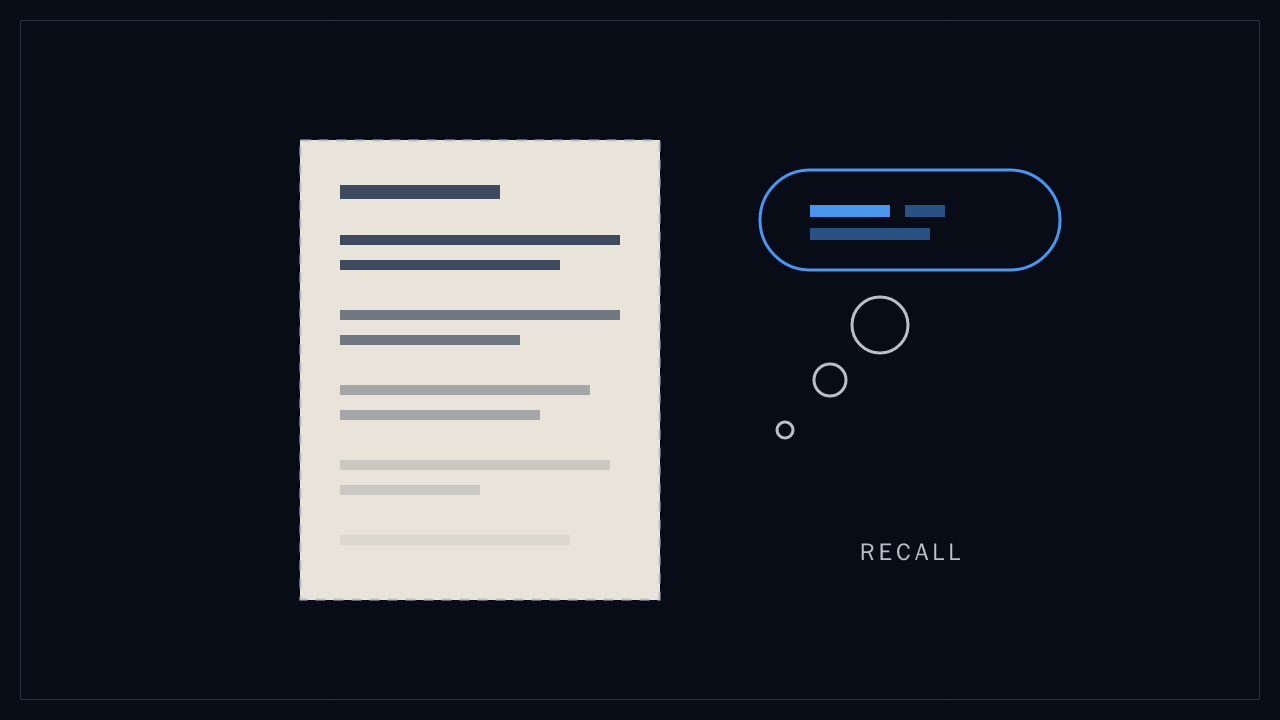
Reading solutions instead of solving. Reading a worked answer feels like progress. It is not, until you can close the explanation and solve the question again. If your scores are flat after a month, this is the usual cause.
Treating English as free marks you do not need to study. English is 20% of NET-Engineering. NUST's FAQ says it follows the SAT pattern. On the derived counts it is about 40 questions. An average Physics chapter is worth about 3. Skipping English to polish one more Physics chapter is a bad trade.
Collecting books. Four guide books skimmed are worth less than one textbook read properly and one question bank worked through. NUST's FAQ says textbooks are consulted for the question bank.
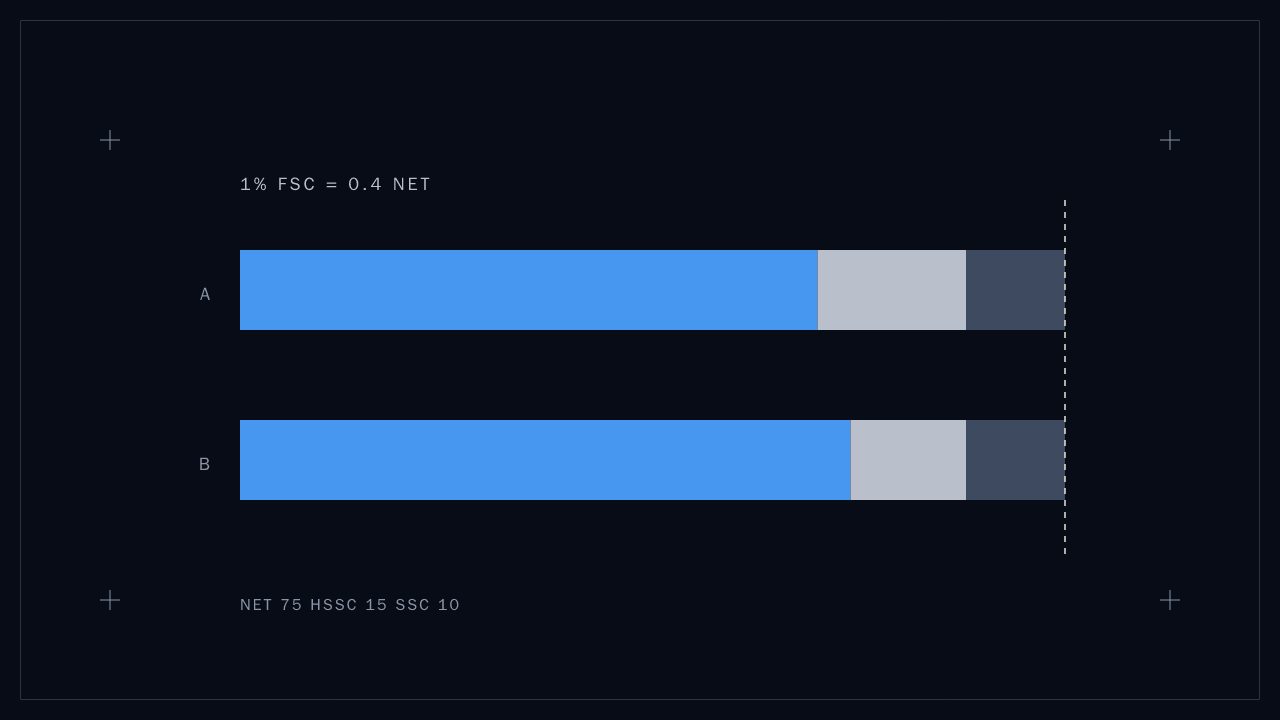
Letting FSc slide. HSSC is 15% of the aggregate, and you need 60% in the complete FSc result when you join. NUST also says candidates in the 2nd annual exams are not eligible for the current session. A good NET score does not survive a failed board paper.
Skipping early series. NUST keeps your best score. An early attempt costs Rs. 5,000 and a day. It buys you a real test under real conditions and a fallback score. See retaking NET.
The CBNET SAVE trap
This one gets its own section because it costs prepared students marks they earned.
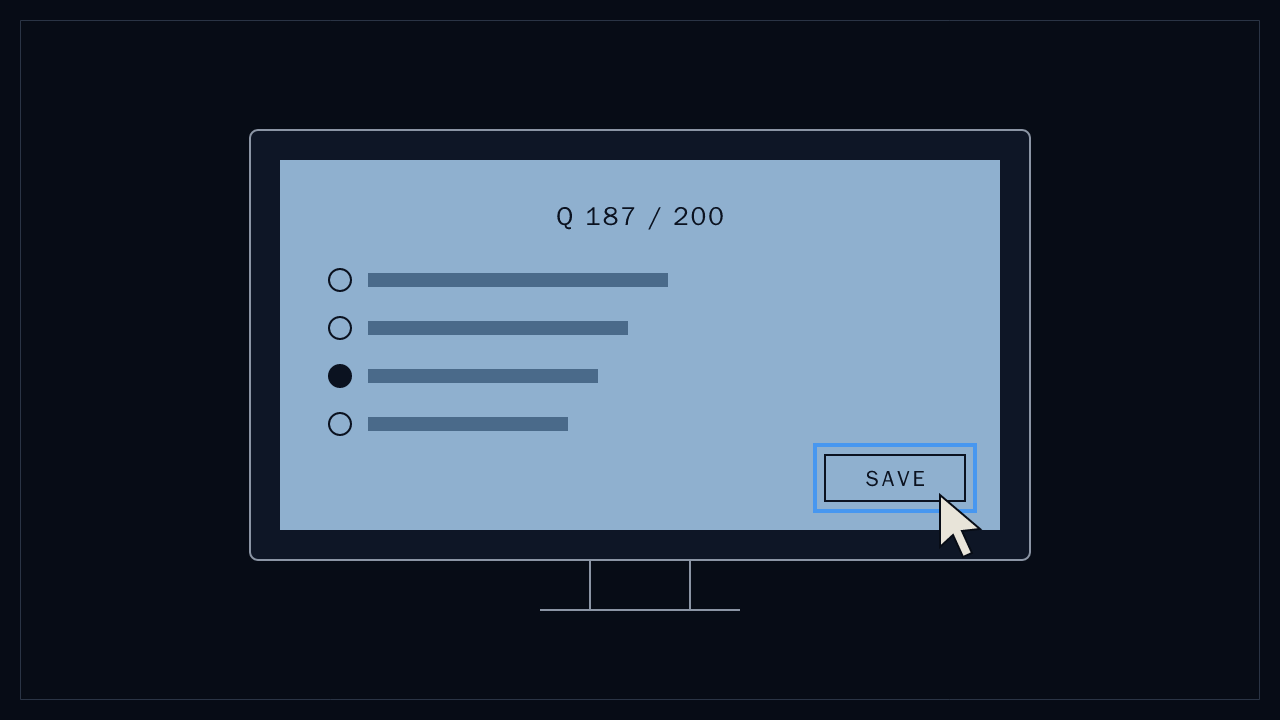
In the real CBNET client, clicking an option does nothing permanent. The answer is only recorded when you press SAVE. Move to the next question without saving and that answer is gone.
It gets worse in three ways:
- You cannot flag a question for review until you have saved an answer on it. The usual plan of flagging a blank and coming back does not exist.
- There is no question grid. To go back from question 90 to question 12 you press Prev 78 times, or First and then Next 11 times. Checking for unsaved answers at the end is slow.
- Nothing warns you. The client gives no feedback until you press FINISH.
The fix is a habit, and habits come from repetition. Select, SAVE, then Next, on every question, in every practice paper. By the test you should press SAVE without thinking about it.
Test-day mistakes
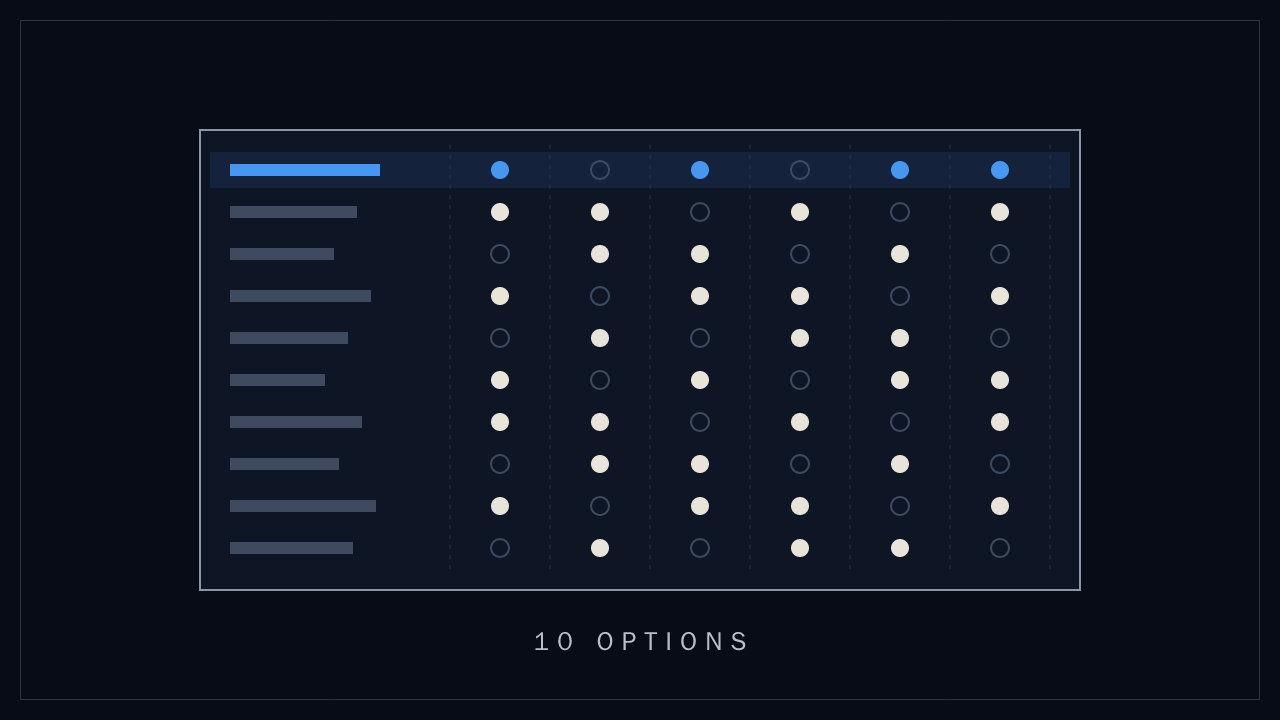
Leaving blanks. There is no negative marking, so a blank is worth exactly what a wrong answer is worth: zero. A blind guess on four options is worth a quarter of a mark on average. The negative marking post works through what 20 blanks cost you.
Spending 54 seconds on everything. 180 minutes over 200 questions is 54 seconds each on average, but English questions take far less and integrals take far more. Budget by section, not by question. The pacing post has a budget for NET-Engineering.
Fighting one question for five minutes. In CBNET you cannot flag a blank, so the move is: best guess, SAVE, flag, Next. Come back if time allows.
Arriving without the right documents. NUST asks for your admit card and an original document with a photograph: CNIC, passport, Family Registration Certificate, or your matric or FSc certificate. A photocopy is not an original. Pack them the night before.
Missing your session. NUST's FAQ says a candidate who misses the test session is not given another chance, apart from extreme emergencies considered case by case. Know your session time, your centre, and how long the trip takes. In Islamabad, NUST lists the venue as the NUST Exam Hall, entry through Gate 4, H-12 campus.
Letting one bad section ruin the rest. If Mathematics went badly, you still have Physics and English to sit. The test is scored as one total. Leave the bad section behind when you move on.
After-the-test mistakes
Treating one score as final. If you have series left in the cycle, you can sit again, and NUST counts the best score. Note which section ran out of time and which chapters felt unfamiliar while it is fresh.
Guessing your aggregate in your head. Put your score and your marks into the aggregate calculator instead. NET is 75% of the aggregate, so each NET mark is worth 0.375 aggregate points.
FAQ
What is the biggest mistake students make in NET?
In CBNET, selecting an answer without pressing SAVE. The answer is not recorded, and the interface gives no warning until you finish.
Should I leave questions blank in NET?
No. NET has no negative marking, so a guess can only add marks. Fill every question before you finish.
What happens if I miss my NET test session?
NUST's FAQ says candidates who miss their session are not given another chance, apart from extreme emergencies considered case by case. You can register for a later series with a new form and fee.
Which documents do I need on NET test day?
Your admit card and one original document with your photograph: CNIC, passport, Family Registration Certificate, or matric or FSc certificate.