For BS Computer Science, NUST ranks you 75% on NET. FAST ranks you 50% on its admission test and 40% on your HSSC marks. FAST's test has no Physics but does have negative marking. NET-Engineering is 30% Physics and has none.
Those differences change how you prepare and how much your FSc result is worth. The figures below come from both universities' admission pages.
Key facts
- NUST computing merit: NET 75%, HSSC 15%, SSC 10%
- FAST computing merit: admission test 50%, HSSC 40%, SSC 10%
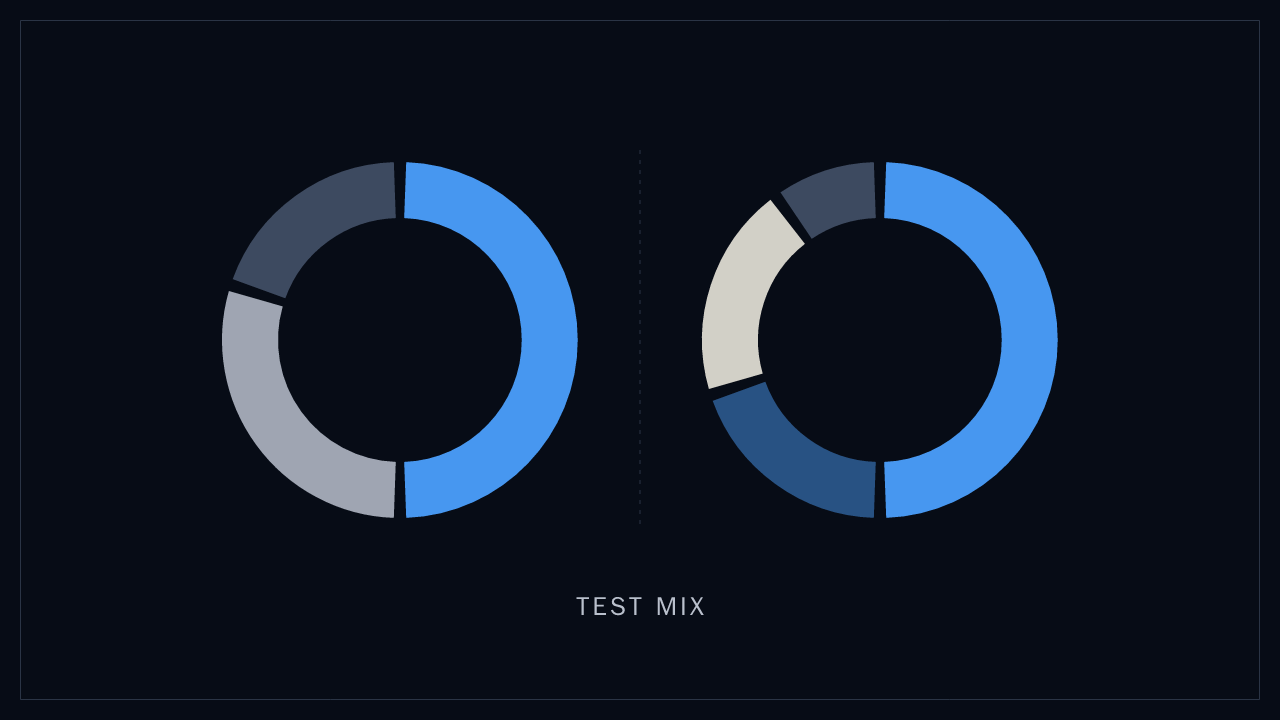
- FAST BS CS test: Advanced Maths 50%, Basic Maths 20%, Analytical Skills and IQ 20%, English 10%
- FAST states negative marking and no calculators in its admission test
- NET-Engineering: Mathematics 50%, Physics 30%, English 20%, no negative marking
- FAST 2026 undergraduate tests: 29 June to 10 July 2026
Source: NUST merit criteria and weightings pages; FAST-NUCES eligibility criteria, test pattern, schedule and FAQ pages; checked October 2026
What each test contains
| Section | NET-Engineering (NUST) | FAST BS CS and Engineering test |
|---|---|---|
| Mathematics | 50% | 70% (Advanced 50%, Basic 20%) |
| Physics | 30% | none |
| English | 20% | 10% |
| Analytical skills and IQ | none | 20% |
| Negative marking | No | Yes |
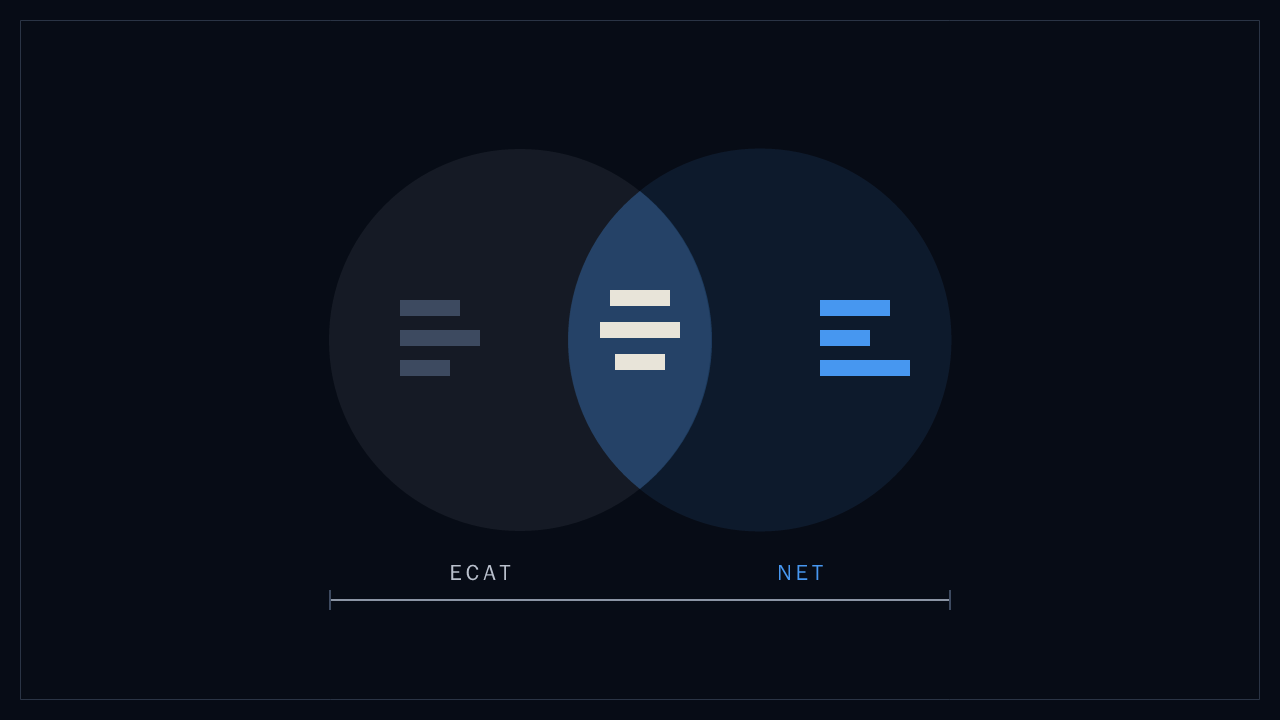
Both tests lean on maths. FAST leans harder. Seven-tenths of the FAST paper is maths, against half of NET. And Physics, which is almost a third of NET, doesn't appear in FAST's pattern at all.
The 20% analytical and IQ section is the part NET students aren't ready for. It needs its own practice: sequences, patterns and logic questions that FSc never teaches. Give it a few weeks before your FAST date.
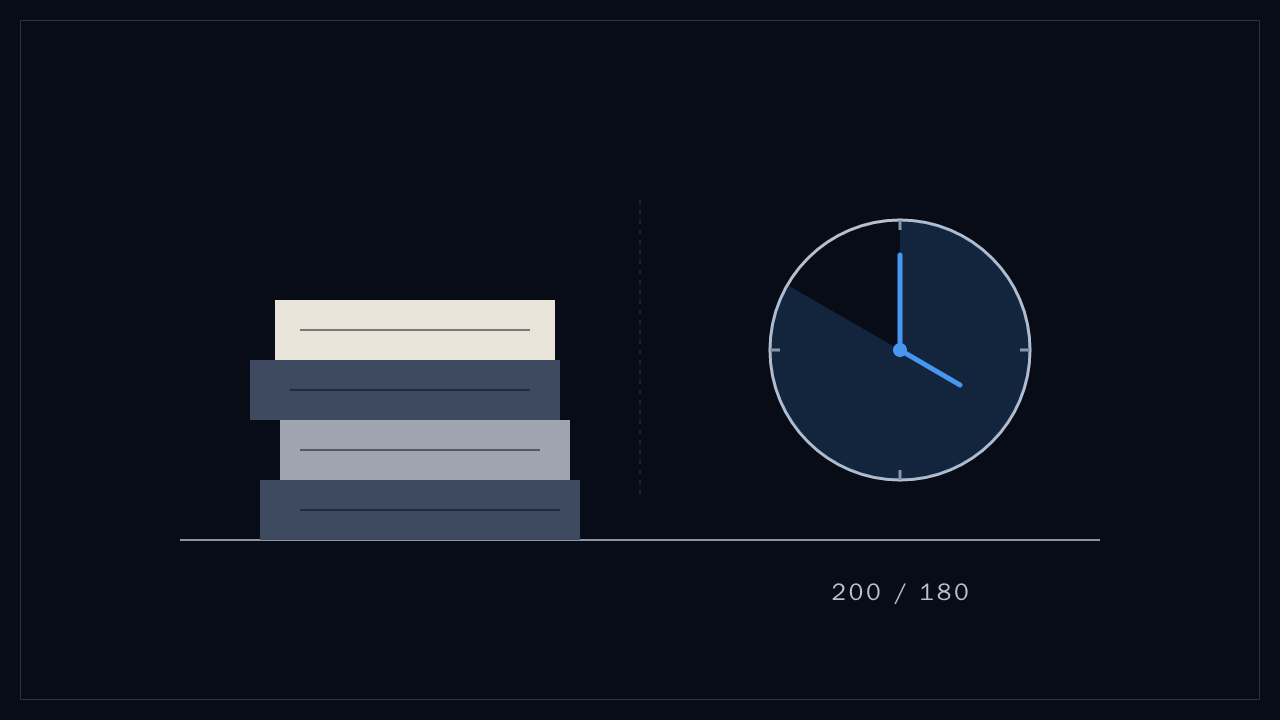
NUST publishes NET's weights as percentages. At 200 MCQs the split works out to about 100 Mathematics, 60 Physics and 40 English, but that split is derived, not published. FAST's test pattern page doesn't give a question count or duration for the undergraduate test either.
Negative marking changes how you answer
On NET a wrong answer costs nothing. Leave nothing blank, and when time runs short, mark something. The negative marking post covers this.
FAST's test pattern page says its test has negative marking. Its page doesn't publish the penalty per wrong answer, and the right guessing rule depends on that number. Until you know it, answer the questions you can narrow to two options and skip the blind guesses. If your admit card states the penalty, use it to set a firmer rule.
This is a habit problem as much as a maths problem. A student who has spent months on NET mocks, answering every question, has to switch habits for FAST. Do at least one practice paper with a penalty before the FAST date.
How much your FSc marks matter
NUST  = NET% x 0.75  + HSSC% x 0.15 + SSC% x 0.10
FAST  = test% x 0.50 + HSSC% x 0.40 + SSC% x 0.10
At FAST, HSSC is worth 40 aggregate points. At NUST it is worth 15. A 10-point gap in your HSSC percentage moves your FAST aggregate by 4 points and your NUST aggregate by 1.5.
Take two applicants with 85% in matric and 65% on both tests. One has 85% in HSSC, the other 70%:
NUST, HSSC 85%:  48.75 + 12.75 + 8.5 = 70.00
NUST, HSSC 70%:  48.75 + 10.50 + 8.5 = 67.75
FAST, HSSC 85%:  32.50 + 34.00 + 8.5 = 75.00
FAST, HSSC 70%:  32.50 + 28.00 + 8.5 = 69.00
The gap between them is 2.25 points at NUST and 6 at FAST. If your FSc is strong, FAST rewards it. If your FSc went badly, NUST is where a strong test score can carry you.
FAST uses HSSC Part-I and Part-II if both are out, or Part-I alone if Part-II isn't. NUST measures HSSC out of 550 for Part-I or 1100 for the full result. The merit formula post walks through NUST's version, and the aggregate calculator does the arithmetic.
Eligibility for computing
| Rule | NUST | FAST |
|---|---|---|
| SSC minimum | 60% | 60% |
| HSSC minimum | 60% | 50% |
| HSSC subjects | Pre-Engineering, ICS, Pre-Medical, or any group with Mathematics | Mathematics required. Pre-Medical with additional Maths is eligible |
| Test options | NET, or ACT/SAT for limited seats | FAST test, SAT, or NTS NAT-IE / NAT-ICS. Pick one |
Two rows matter here. FAST's HSSC floor is 50%, so a student with 55% in HSSC can apply to FAST computing but not to NUST. And NUST accepts Pre-Medical students without additional Mathematics into computing, as long as they clear Mathematics deficiency courses after admission. FAST's rule names Pre-Medical with additional Maths.
FAST's computing degrees are BS AI, CS, Cyber Security, Data Science and Software Engineering. NUST's computing group has BS CS, SE, AI and Data Science, all on NET-Engineering. The NUST computer science post lists which NUST school offers which.
The calendar problem
FAST's 2026 undergraduate cycle ran:
- Applications: 20 May to 30 June 2026
- Admission tests: 29 June to 10 July 2026
- Merit list: 22 July 2026
- Admission formalities: 27 July to 13 August 2026
- Classes: 17 August 2026
NUST says it generates merit lists tentatively by the last week of July, and its dates page put the start of selection in August 2026. So in a normal year you may have to finish FAST's admission formalities before NUST has finished offering seats. FAST's FAQ says its admission fee is non-refundable. Tuition refunds follow HEC guidelines. Plan for that cost if you want FAST as a backup while you wait on NUST.
Take NET early and this gets simpler. NUST's tentative NET-2027 schedule opens Series-1 registration from 4 October to 14 November 2026. If your NET score is settled by spring, June and July are free for FAST's maths-heavy, physics-free paper. The one-plan post puts every test on one calendar.
Campuses and fees
FAST holds its admission test at all six campuses: Karachi, Lahore, Islamabad, Peshawar, Chiniot-Faisalabad and Multan. Its FAQ lists hostels at Chiniot-Faisalabad, Multan and Peshawar. FAST charges Rs 12,000 per credit hour from Fall 2026, so a 15-credit semester costs Rs 180,000 in tuition. FAST also charges a student activity fund on top.
NUST's 2026-27 tuition for computing is Rs 216,750 per semester, plus Rs 5,000 in miscellaneous charges.
Which one fits you
It comes down to three questions:
- How strong is your FSc? At FAST, HSSC is 40% of merit. At NUST, 15%.
- How strong is your Physics? NET gives it 30%. FAST gives it nothing.
- Can you switch off guessing? FAST penalises wrong answers. NET doesn't.
A student with a strong FSc and weak Physics fits FAST's formula better. A student with a middling FSc and a strong test score fits NUST's. Many students should apply to both. The maths overlaps, and the differentiation and integration chapters do double duty.
FAQ
Is there physics in the FAST entry test?
Not for BS CS and Engineering. FAST's published pattern is Advanced Maths 50%, Basic Maths 20%, Analytical Skills and IQ 20% and English 10%.
Does the FAST test have negative marking?
Yes. FAST's test pattern page says the admission test has negative marking and that calculators are not allowed.
Can I get into FAST with an NTS score instead of the FAST test?
Yes. For computing, FAST accepts its own test, SAT, or NTS NAT-IE or NAT-ICS. You must pick one of the three.
Which is better for computer science, NUST or FAST?
Neither university publishes data that settles it. Compare the parts you can measure: how much your FSc counts, whether you are strong in Physics, and whether you can apply to both.
Can I apply to FAST CS with 55% in FSc?
FAST's computing programmes need 50% in HSSC and 60% in SSC, so yes on paper. NUST needs 60% in both.