BS Economics at NUST is an undergraduate degree at the School of Social Sciences and Humanities (S3H), Islamabad, with an emphasis on economic theory and applied research. As of November 2026, NUST accepts any HSSC or equivalent subject combination for this programme, and NET applicants take the Business and Social Sciences paper.
Key facts
- School: S3H, Islamabad.
- Academic group: any HSSC or equivalent subject combination.
- Minimum: 60% each in SSC and HSSC or equivalent.
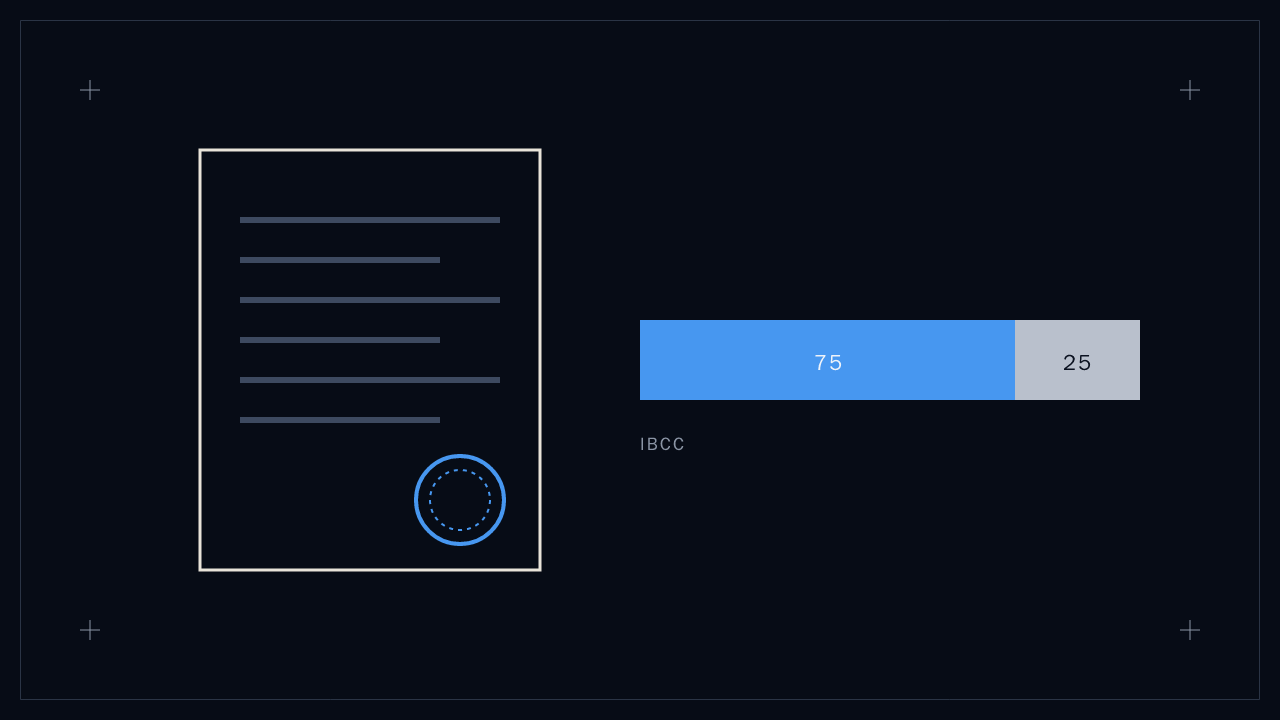
- NET weights: Quantitative Mathematics 50%, English 50%.
Source: NUST UG eligibility and institutions pages; S3H Economics department and programme index; NET facts from src/lib/net-facts.ts; checked November 2026
2026 closing merit positions
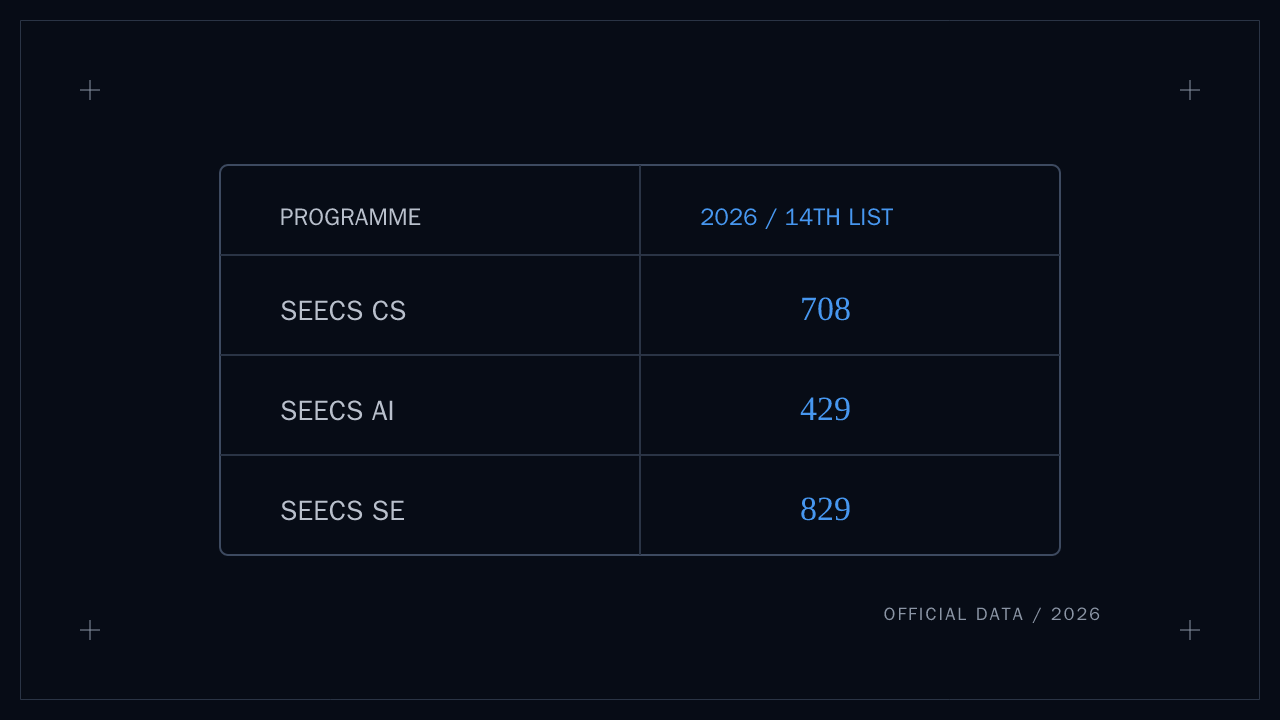
BS Economics at S3H (H632) closed at merit position 931 on the 14th merit selection list for UG 2026.
Source: NUST Admissions Directorate, 14th merit selection list, UG 2026. These are ranks within the relevant merit pool, not marks or aggregate percentages. See all NUST closing merit 2026 positions for the full record and guidance on preferences.
What Economics at S3H means
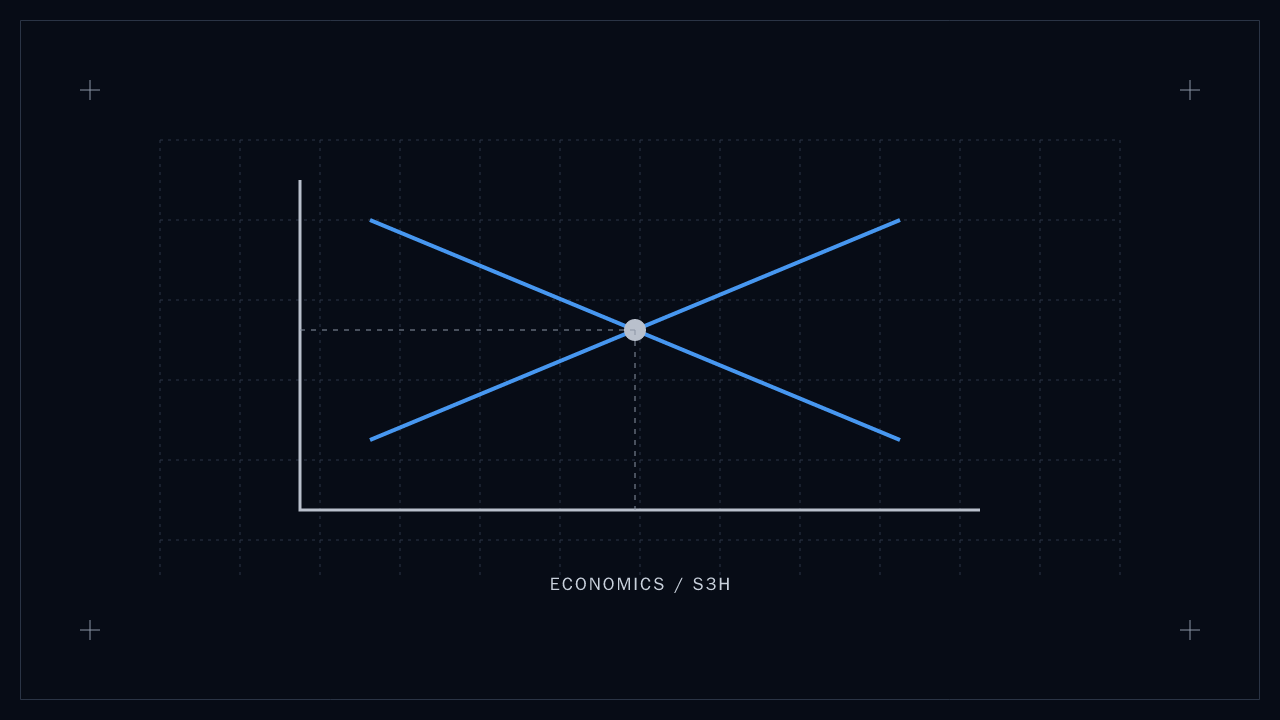
The S3H Economics department describes its BS as a programme in theoretical and applied economics. It gives applied economic research a clear place in the degree and describes final-year group research projects. That makes research work part of the decision, rather than an afterthought once you enter university.
The department lists expertise in microeconomics, macroeconomics, monetary economics, labour, international and development economics, among other fields. Those are departmental areas, not a promise that every applicant will take every elective. The programme index separates the Fall 2025 onwards scheme from earlier entries. Select the scheme for your cohort when comparing courses.
Before choosing, try explaining an economic claim in your own words. What evidence would help you test it? What other explanation could fit the same observation? This is a useful interest check for a research-focused degree. It is separate from preparing the entry test.
The S3H school guide covers the wider school. This post focuses on Economics admission and the choice between related degrees.
Economics versus business degrees
| Option | What to inspect in its official material |
|---|---|
| Economics at S3H | Economic theory, applied research and the latest cohort scheme |
| BBA at NBS | Breadth of business study and later choices |
| Accounting and Finance at NBS | Financial reporting, accounting and finance course sequence |
| Public Administration at JSPPL | Government, public policy and administration |
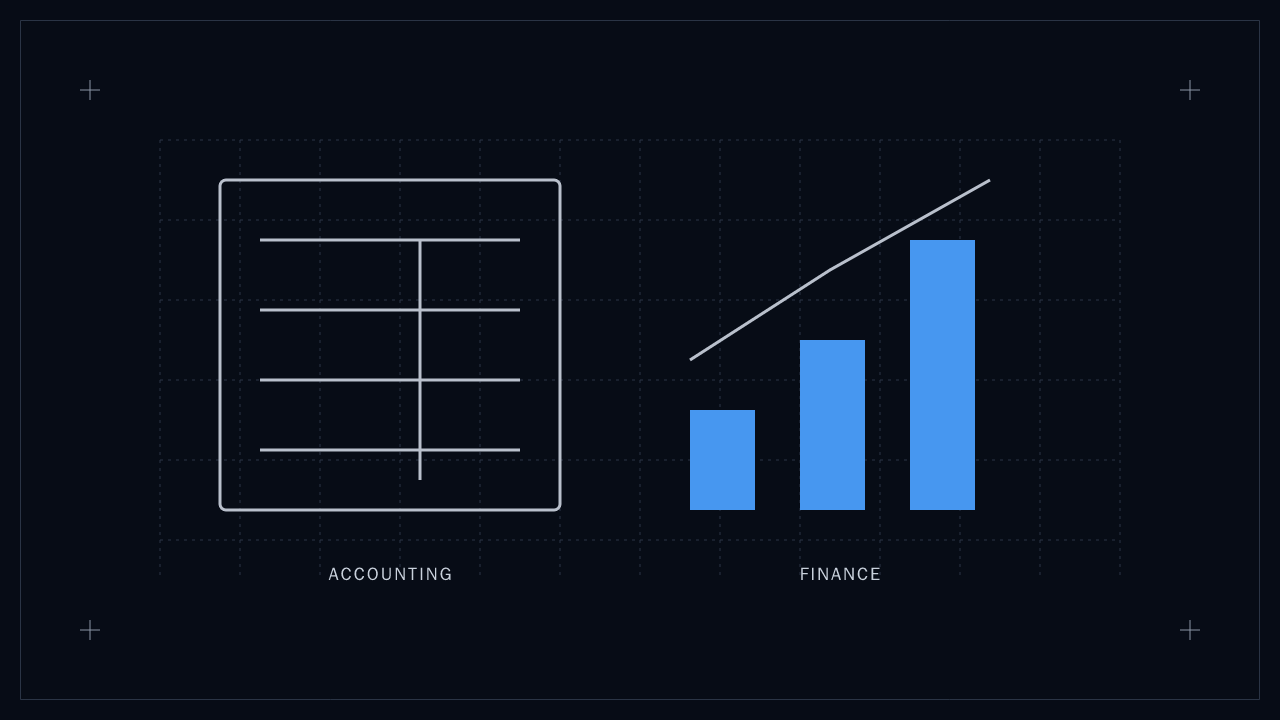
Economics and Accounting and Finance both involve numerical reasoning, but their course choices answer different questions. Accounting and Finance's published NBS scheme names corporate reporting, audit and taxation. S3H describes Economics around economic concepts and research. Compare those tasks before choosing by school reputation alone.
Read the BBA guide and Accounting and Finance guide for their programme-specific conditions. A shared NET category does not make the degrees interchangeable.
Can FA, ICS and pre-medical students apply?
NUST's academic qualification table includes Economics across the science and non-science combinations it lists. Pre-Engineering, Pre-Medical, ICS, Commerce and FA applicants can apply, subject to the academic minimum and equivalence rules.
You do not need HSSC Economics as a compulsory subject under the current any-combination rule. Nor does that rule mean you can leave maths out of NET preparation. Admission eligibility and the entry-test syllabus answer different questions.
For O/A Levels and other foreign qualifications, use IBCC equivalence and confirm the official eligibility requirements. The A-Level guide explains how equivalence fits the application. Applicants awaiting final results should read the confirmation conditions before treating an application as a completed admission.
Which NET does Economics use?
Economics uses NET-Business and Social Sciences: Quantitative Mathematics 50% and English 50%, as recorded in the repo's NET facts. Economics itself is not a separate tested subject. You do not need a school Economics textbook to replace either half of this paper.
The full test has 200 MCQs in 180 minutes. The 100 maths and 100 English split is derived from the weights, rather than a separate official count. Keep the official subject weights beside your preparation plan.
Do not choose Economics because an online comment gives it a supposedly safe closing score. Use the selection-list guide to understand preferences and selection. Rank degrees you would accept after reading their schemes.
How to prepare for this programme's NET paper on SailToNUST
Follow the Business maths plan instead of copying an Engineering timetable. Begin with averages and arithmetic. Review percentage bases and ratios before moving to mixed quantitative questions.
Pair that session with the English bank. Track whether you lost a mark to unfamiliar vocabulary, grammar or misreading. That record gives you a concrete next session. SailToNUST's Engineering full papers do not reproduce the Business subject mix, so use the relevant chapter banks for this programme.