English is on every NET paper: 20% of NET-Engineering, Applied Sciences and Architecture, and 50% of NET-Business and NET-Natural Sciences. The questions are mostly synonyms and antonyms, analogies, and sentence completion or correction, and the fastest gains come from a steady daily vocabulary habit plus a short list of grammar rules.
Key facts
- English is 20% of NET-Engineering, NET-Applied Sciences and NET-Architecture
- English is 50% of NET-Business and Social Sciences and NET-Natural Sciences
- On a 200-MCQ paper that is about 40 or about 100 questions. These counts are derived; NUST publishes percentages only
- Our bank has 833 English MCQs: 529 vocabulary, 183 grammar and usage, 121 analogies
Source: NUST, Subjects included in NET with weightings, checked October 2026. Bank counts from the SailToNUST question bank.
How much English matters on your paper
For an engineering candidate, English is the smallest section. It is also the easiest section to neglect, which is a mistake: 40 derived questions is 20% of your NET score, and English items take less time than maths. A strong English section buys minutes for the hard maths questions.
For a business candidate, English is half the paper. Treat it as a main subject, with daily hours, not a weekend add-on. The quantitative maths guide covers the other half.
The three question types in our bank
NUST does not publish a breakdown of the English section. Our English chapters follow the three types our bank collects.
| Type | What it asks | MCQs in our bank |
|---|---|---|
| Vocabulary | Closest or opposite meaning of a word | 529 |
| Grammar and usage | Fill the blank, prepositions, tense, idiom | 183 |
| Analogies | Match the relationship between two words | 121 |
Our bank has no reading comprehension chapter. Since NUST does not say whether passages appear, read one short editorial a day anyway. It costs ten minutes and it trains the same skill that sentence completion tests: reading a line once and catching its meaning.
Vocabulary: synonyms and antonyms
Stems look like "Choose the word closest in meaning to Eschew" or "Choose the option opposite in meaning to Affable". The answers are shun and hostile.
The antonym trap. In "opposite of Affable", the other three options were genial, jovial and cordial. All three are synonyms of affable. When three options mean roughly the same thing, the odd one out is usually the answer.
Learn words in pairs. Write each new word with one synonym and one antonym: placid, calm, agitated. Obstinate, stubborn, amenable. Pairs stick better than definitions, and they match how the questions are set.
Twenty words a day is enough. Over twelve weeks that is about 1,700 words with repeats. Start with our NET vocabulary list, then work through the bank chapter.
Analogies: build a bridge sentence
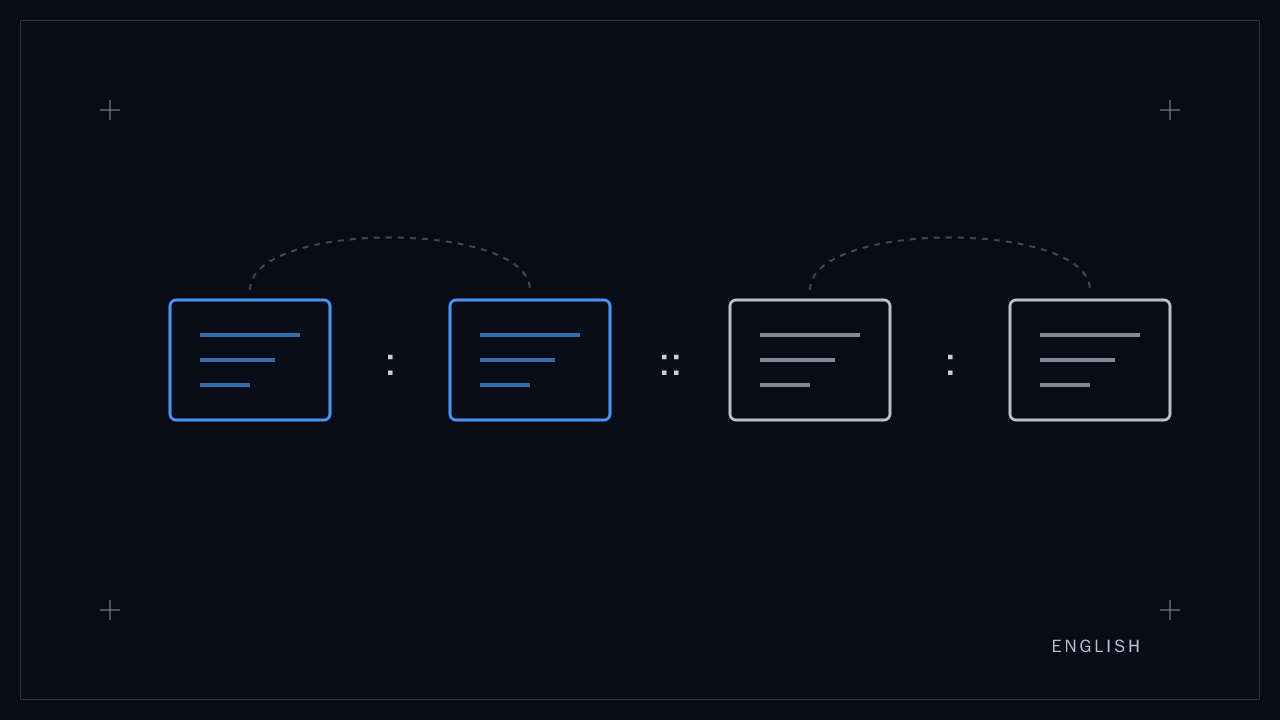
An analogy gives a pair like Sneer : Contempt and asks for the pair with the same relationship. Do not look at the options yet. Make a short sentence that links the first pair: "A sneer shows contempt." Then test each option in the same sentence. "A grimace shows pain" works. "A joke shows happiness" is loose. Grimace : Pain is the answer.
Common relationships in our bank:
| Relationship | Example |
|---|---|
| Where it happens | Badminton : Court, Skating : Rink |
| Where it is made | Textile : Mill, Brick : Kiln |
| Person and trait | Traitor : Disloyalty, Rebel : Defiance |
| Quality and result | Fragile : Crack, Pliable : Bend |
| Expression and feeling | Sneer : Contempt, Grimace : Pain |
If two options both fit your sentence, make it more specific. "A fragile thing cracks easily" rules out pairs where the result is not caused by the quality.
Grammar and usage
Most grammar questions in our bank are a sentence with one blank. They test a small set of rules again and again.
Prepositions after fixed words. "Senior to", not "senior than". "Persist in", "take revenge on", "put its house in order". Keep a list and add every one you miss.
Question tags. "You haven't had your lunch yet, have you?" The tag flips the polarity and copies the helping verb.
Word choice in context. "The ____ of the Minister's statement cannot be verified." Veracity, meaning truthfulness, is the only option that something can verify.
Tense and agreement. Read the whole sentence before choosing. A time phrase at the end, like "since 2019" or "by next year", often decides the tense at the start.
Speed tactics for English
Answer or guess in 30 seconds. Vocabulary is known or unknown. Thinking longer rarely helps. NET has no negative marking, so guess and move on.
Use roots on unknown words. Bene- is good, mal- is bad, -phobia is fear, omni- is all. A root often removes two options.
Plan your route through the paper. The CBNET client has no question grid, only Next, Prev, First and Last, so jumping between sections costs time. Our CBNET pacing guide covers how to split the clock.
A weekly English routine
- Daily: 20 new words with a synonym and antonym, and a five-minute review of the last week's words.
- Three times a week: 20 grammar questions, adding every missed rule to your list.
- Twice a week: 20 analogies using the bridge-sentence method.
- Weekly: one timed English set, at about 30 seconds a question.
FAQ
How many English questions are in NET?
About 40 on NET-Engineering, Applied Sciences and Architecture, where English is 20%. About 100 on NET-Business and Natural Sciences, where it is 50%. NUST publishes the percentages; the counts are derived from the 200-MCQ total.
Is there comprehension in NET English?
NUST does not publish a breakdown of the English section, and our bank has no comprehension chapter. Read a short passage daily anyway, since it trains the same reading speed sentence completion needs.
How do I improve vocabulary for NET quickly?
Learn 20 words a day, each with one synonym and one antonym, and review old words daily. Then drill the vocabulary chapter so you see words in the format NET uses.
Is NET English hard?
Grammar and analogies are manageable with practice. Vocabulary is the hard part because it depends on words you have met before, which is why a daily habit beats cramming.