Rank CS first if you want room to explore computing; rank SE first if software design, quality and project work already interest you most. As of November 2026, NUST's official programme list places BE Software Engineering in Engineering and BS Computer Science in Computing. That split changes eligibility and selection choices, even at the same school.
SailToNUST publishes this comparison as an independent preparation resource. The CS admission guide covers the application and test overview. Here, the question is which degree and campus you would actually accept.
Key facts
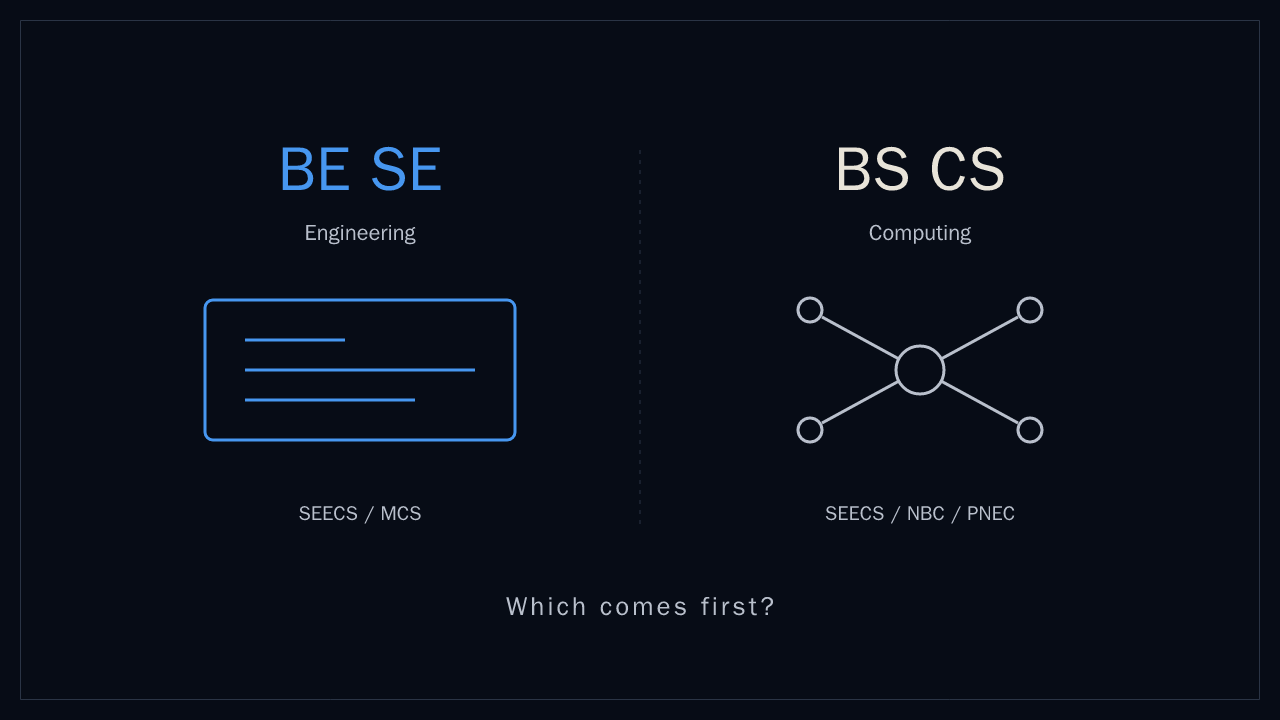
- BE Software Engineering: Engineering group, SEECS Islamabad and MCS Rawalpindi.
- BS Computer Science: Computing group, SEECS Islamabad, NBC Quetta and PNEC Karachi.
- Engineering and Computing have separate preference groups during selection.
- Accreditation evidence names specific programmes and batches. It does not establish blanket approval for every intake.
Source: NUST UG programme list, eligibility criteria, selection process, Quality Assurance accreditation tables and SEECS graduate booklets; checked November 2026
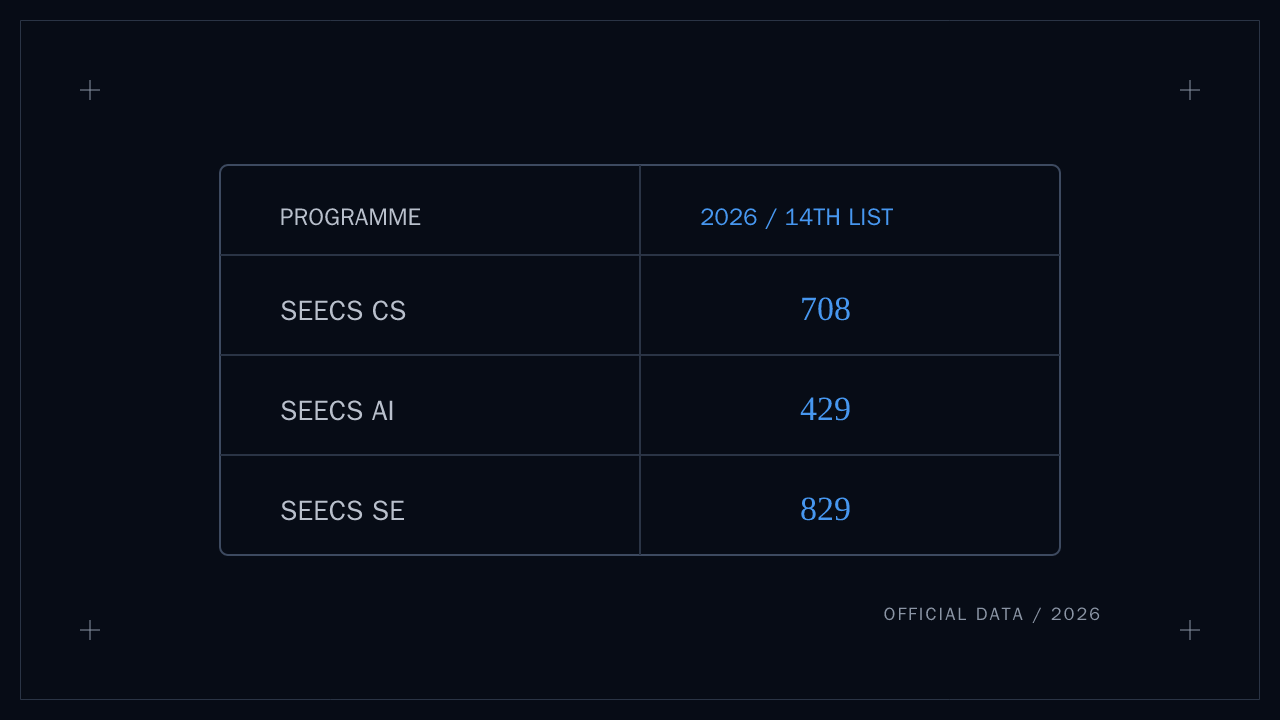
2026 closing merit positions
| Programme | Institute | Code | 2026 closing position |
|---|---|---|---|
| BE Software Engineering | SEECS | S605 | 829 |
| BE Software Engineering | MCS | Y605 | 3716 |
| BS Computer Science | SEECS | S642 | 708 |
| BS Computer Science | PNEC | P642 | 3025 |
| BS Computer Science | NBC | Q642 | 8419 |
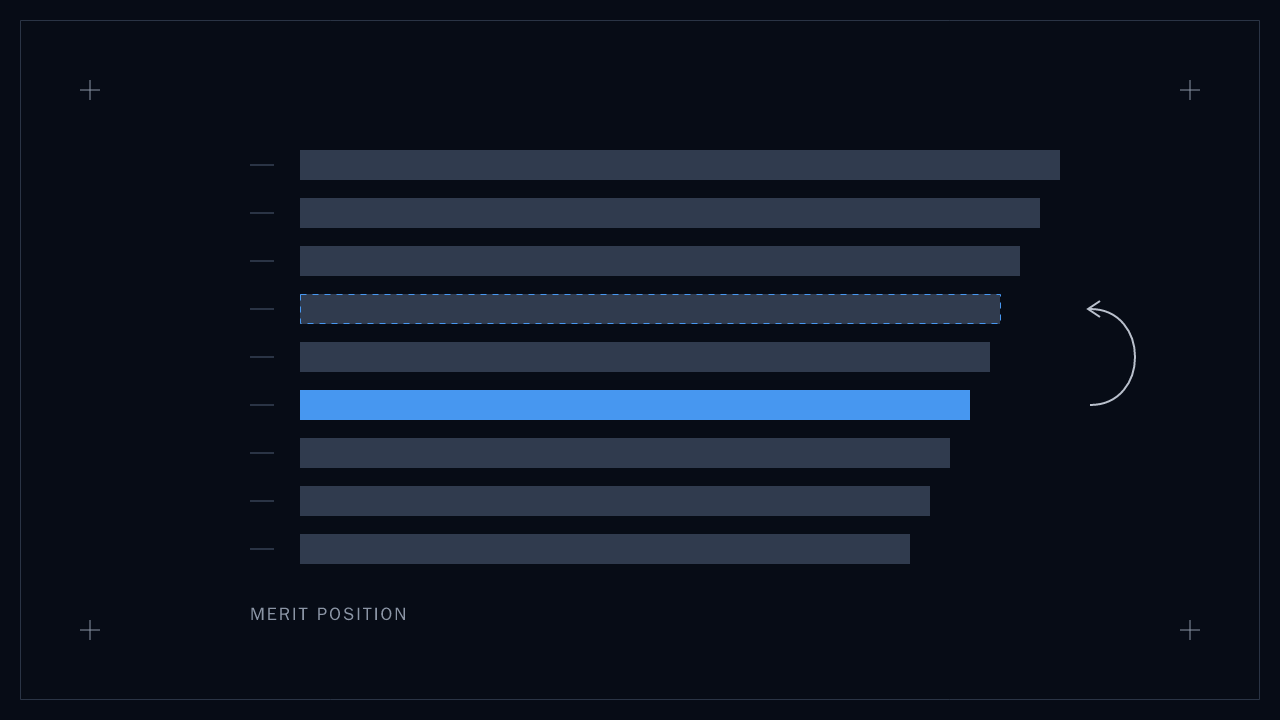
Source: NUST Admissions Directorate, 14th merit selection list, UG 2026. These are ranks within the relevant merit pool, not marks or aggregate percentages. See all NUST closing merit 2026 positions for the full record and guidance on preferences.
Start with the degree and campus pair
| Choice | NUST group | Campuses on the official list |
|---|---|---|
| BE Software Engineering | Engineering | SEECS, MCS |
| BS Computer Science | Computing | SEECS, NBC, PNEC |
| BS Artificial Intelligence | Computing | SEECS, NBC |
| BS Data Science | Computing | SEECS |
Source: NUST's programme list, as of November 2026.
SEECS SE versus SEECS CS compares degrees at one school. MCS SE versus SEECS CS changes both the programme and location. Treat each pair as its own choice. Compare accommodation, travel and the school's own study plan before putting one above another.
BS AI and Data Science belong in your Computing choices if you want those subjects. Do not add them solely to obtain a SEECS seat. If you remain unsure about specialising, our recommendation is CS first, subject to campus and eligibility constraints.
Eligibility can decide the choice before courses do
NUST's eligibility criteria distinguish these routes as of November 2026:
| Your background | BE SE | BS CS, AI or Data Science |
|---|---|---|
| ICS with Mathematics, Physics and Computer Science | Eligible with Chemistry remedial course in the first semester | Eligible under Computing criteria |
| Pre-Medical without additional Mathematics | Clear NUST's eight-week condensed Mathematics course before admission | Clear six credit hours of deficient Mathematics within one year |
| HSSC with Mathematics as a mandatory subject, outside the named groups | Check Engineering's specific subject combinations | Computing criteria include this route |
Both degrees require at least 60% in SSC and HSSC or the relevant equivalence. Meeting a subject condition does not replace that minimum.
For an ICS applicant choosing SEECS SE, Chemistry is an admission condition even though the degree concerns software. For a Pre-Medical applicant, the difference concerns timing: SE requires the condensed course before admission; CS places deficient Mathematics after enrolment. Check the current course notice before planning around an SE offer.
Compare actual courses, not the degree stereotype
The official SEECS BE SE graduate booklet and BS CS graduate booklet publish curriculum tables on pages 9 and 10. We checked them as of November 2026. These are 2025 graduate booklets, so their tables describe those cohorts, rather than guarantee your incoming batch's courses.
| What to compare | BE SE booklet | BS CS booklet |
|---|---|---|
| Shared computing work | Programming, data structures and algorithms, databases, operating systems, networks | The same broad areas |
| Software delivery | Software Construction, Software Design and Architecture, Software Quality Engineering, Software Project Management | Software Engineering appears too |
| Theory and language processing | Formal Methods | Theory of Automata and Formal Languages, Compiler Construction |
| Engineering coursework | Engineering Drawing, Occupational Health and Safety, Complex Variables and Transform | A different mathematics and computing mix |
These examples suggest why SE fits someone who wants to design, test and maintain software with a team. CS fits someone who wants to investigate algorithms, language processing and other computing areas before choosing a direction. Those are our interpretations of the course mix.
CS includes software development. SE includes algorithms and theory. Neither label supports the claim that one degree teaches coding while the other avoids it.
Before finalising preferences, open your intake's outline through the SEECS programme directory. It lists separate plans by intake, including Fall 2025 onward. We could not retrieve those newer plan pages during this check. Ask the school to confirm required courses and available electives for your batch. Do not assume MCS, NBC or PNEC follows a SEECS table.
PEC and NCEAC: check the batch
NUST's engineering accreditation table places BE Software Engineering at SEECS and MCS under the Pakistan Engineering Council, PEC. Its non-engineering table names the National Computing Education Accreditation Council, NCEAC, for SEECS BS CS.
As of November 2026, those rows list accredited batches from 2020 to 2022. They establish the relevant bodies and recorded batch coverage. They do not verify accreditation for your future batch. The NBC CS row says "Zero Visit", and the table does not list PNEC CS. Confirm your campus, programme and intake with the school before relying on an accreditation claim.
Put your real choices in the right groups
NUST's selection process, checked November 2026, ties offers to merit and submitted preferences. It describes upgrades within a discipline and preference changes within specified groups. Do not treat an SE offer as an automatic route to CS.
Build a personal list first. Then enter the relevant choices in both Engineering and Computing if you would accept either. Within Computing, put CS, AI, Data Science and their campus options in your actual order. Within Engineering, order SEECS SE and MCS SE according to where you would enrol.
Do not rank a programme first because you think its closing merit looks reachable. Leave out choices you would refuse. If both groups produce offers, compare the letters and deadlines before paying. NUST requires timely payment to continue selection in the relevant discipline. The merit-list guide explains the wider process.
How to prepare for this programme's NET paper on SailToNUST
Check your paper in the NET syllabus, then use the aggregate calculator to set a practice target from your own marks. Match practice to that paper. Engineering applicants can use a timed full paper; other categories should use the relevant subject drills and prepare any category-specific material separately.