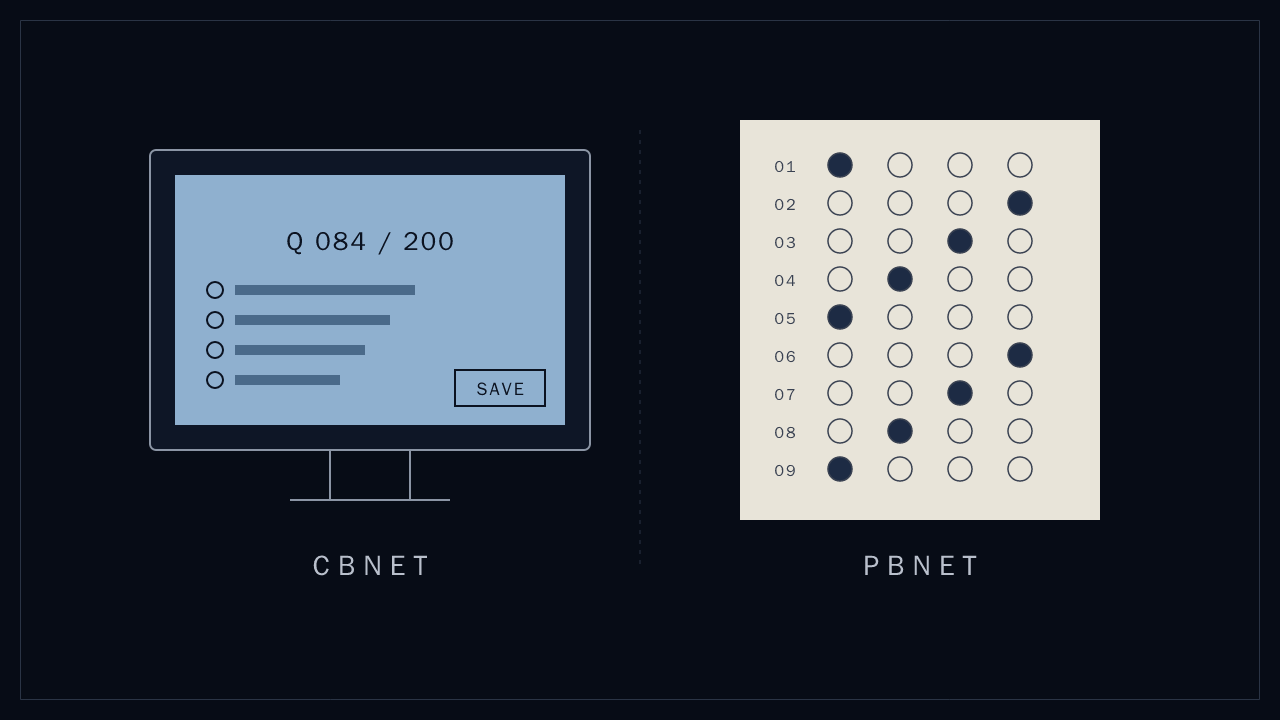
NET comes in two forms. CBNET is the computer-based test. PBNET is the paper-based test. The questions, the subjects and the 200-MCQ, 180-minute format are the same. What changes is where you sit it, when you sit it, and how long you wait for the result.
The short answer
If you can travel to Islamabad, sit CBNET. It runs in every series, it has more test dates, and you get your result in about a day. Sit PBNET if Karachi or Gilgit is far easier for you to reach and the series you want offers it.
Key facts
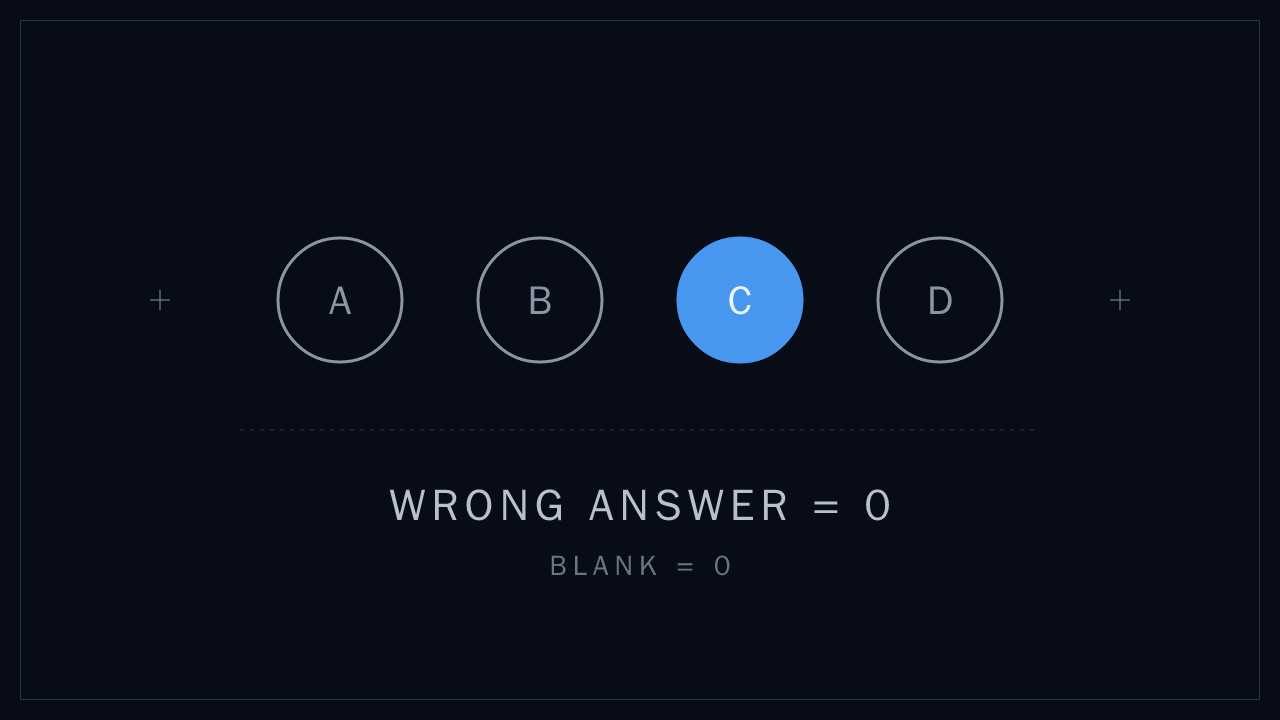
- Same paper in both modes: 200 MCQs, 180 minutes, no negative marking
- CBNET: Islamabad in every series, Quetta in some. Result in about 24 hours
- PBNET: Karachi and Gilgit in some series. Result in 5 to 7 working days
Source: NUST NET-2026 schedule and centres, checked October 2026
Where each one runs
| City | Centre | Mode | Result |
|---|---|---|---|
| Islamabad | H-12 Campus | CBNET | about 24 hours |
| Quetta | NUST Balochistan Campus | CBNET | about 24 hours |
| Karachi | DHA City Campus | PBNET | 5 to 7 working days |
| Gilgit | APS Jutial | PBNET | 5 to 7 working days |
Islamabad hosts CBNET in all four series. Quetta, Karachi and Gilgit only appear in some series. In the NET-2026 cycle, Karachi PBNET ran in Series-2 and Series-4, Gilgit in Series-4 only, and Quetta in Series-2 and Series-4. Check the dates page for the current cycle before you plan travel.
How the experience differs
CBNET runs on NUST's own test client. It is a plain interface, and it has a few behaviours that surprise first-time candidates:
- You must press SAVE on every answer. Selecting an option does nothing on its own.
- You cannot flag a question until it has a saved answer.
- There is no question grid. You move with Next, Prev, First and Last.
- One clock runs for the whole paper, with no per-section timer.
PBNET is a printed booklet and an answer sheet. You can see the whole paper, jump to any question, and work in whatever order you like. The cost is bubbling: every answer has to be transferred to the sheet by hand, and that time comes out of the same 180 minutes.
Which one is easier?
Neither is easier on content. The difference is control. Candidates who like to scan the paper first and pick off easy questions often feel more at home on paper. Candidates who are fast and careful with a mouse lose less time on CBNET, because there is no bubbling step.
What matters more is that you have practised in the mode you will sit. A candidate who has only done paper mocks will lose time on the CBNET interface. A candidate who has only done online quizzes will lose time bubbling.
Before you register
- Look at the series dates and centres for the cycle on the dates page.
- If you choose CBNET, sit at least one paper on the CBNET simulator, which reproduces the real client.
- If you choose PBNET, print a full-length paper and sit it with a separate answer sheet so you practise bubbling under the clock.
Each series has its own registration form and its own fee, so the choice of mode and city is per series. The centres listed here are from NUST's published schedule for NET-2026 and can change for NET-2027.
FAQ
Is CBNET harder than PBNET?
No. Both use the same subjects, weightings and 200-MCQ format. The difference is the interface: CBNET needs a SAVE click per answer, PBNET needs bubbling.
Can I take CBNET in Karachi?
In the NET-2026 cycle, Karachi ran PBNET only. CBNET ran in Islamabad and Quetta. Check the dates page for the series you want.
How soon do CBNET results come out?
CBNET results take about 24 hours. PBNET results take 5 to 7 working days.